


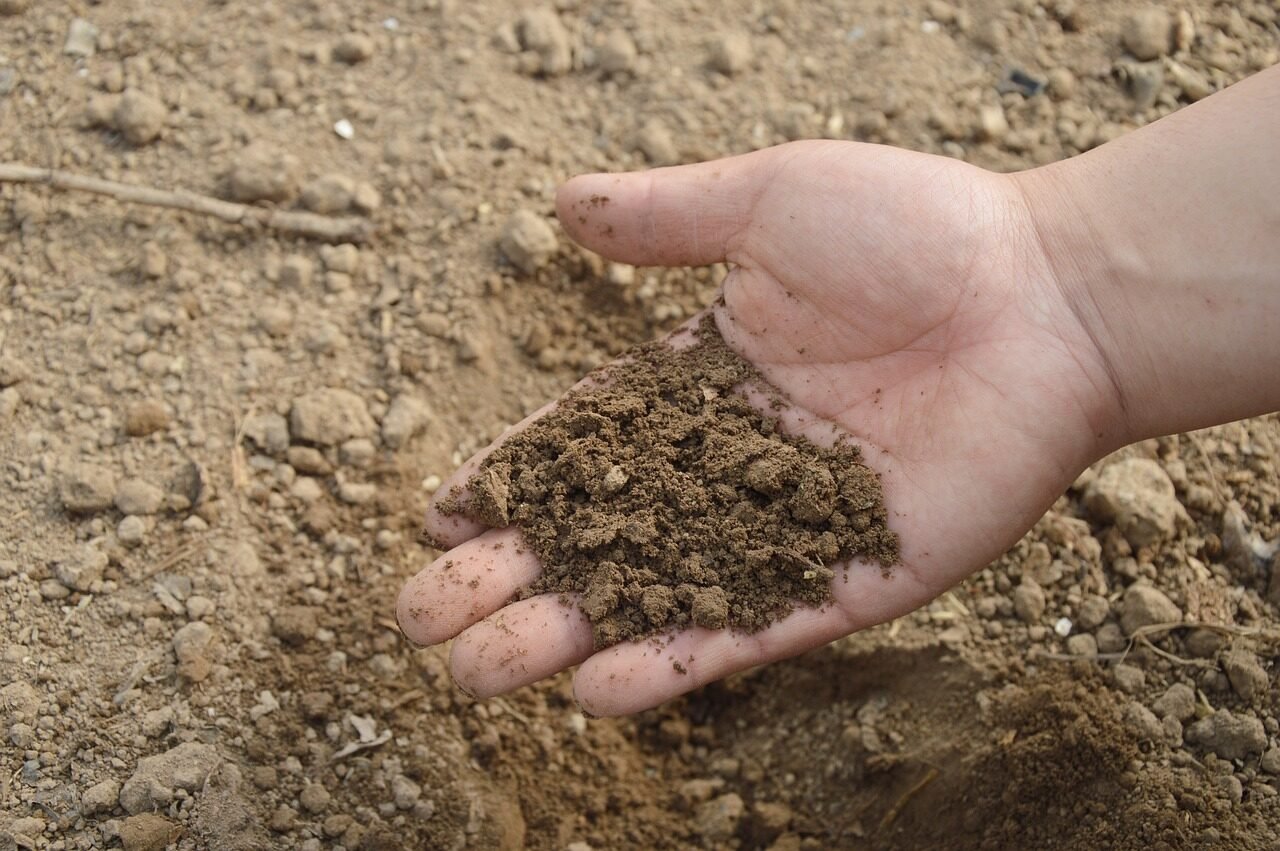
Two bags on the shelf. One says blood meal, one says bone meal. Same price, near enough the same name, both “organic.” So you grab whichever, or whichever is cheaper, and trust it will feed your plants.
That guess is where a lot of gardens go wrong.
Because these two are not versions of the same thing. They are close to opposites. One is nearly all nitrogen, the other almost none. Feed a plant the wrong one and you can wait weeks for a result that was never coming, or push out leaves when you wanted flowers. So before you buy either, let me show you what is inside each bag, and why the difference changes what you should reach for.
I work from the chemistry side of this…
My background is in how nutrients move through soil and whether a plant can take them up, so I am not going to hand you brand tips. I am going to show you what each feed is made of and what your plant does with it. Get that, and every choice below gets easier.
The quick answer, before anything else
Blood meal feeds nitrogen, and it feeds it fast. Nitrogen builds leaves and green, so blood meal is for foliage, for lawns, for the pale hungry plant that needs a push.
Bone meal feeds phosphorus, slowly, with a good dose of calcium alongside. Phosphorus goes to roots, flowers, and fruit, so bone meal is for rooting in, for blooming, for bulbs and transplants.
Fast green, or slow roots and flowers. Hold that one split in your head and the rest of this post is just detail.
What blood meal is, and what it feeds
Blood meal is dried blood from slaughterhouses, ground to a powder. It is one of the strongest natural nitrogen sources you can buy, around 12 to 13 percent nitrogen, with barely any phosphorus or potassium.
That strength is the point, and also the trap.
Used right, it delivers nitrogen faster than almost any other organic feed, because it breaks down quickly once the soil is warm and moist. Pale leaves green up. Sluggish growth picks up.
Used heavy handed, it burns. And this is the part people miss: the burn is not because blood meal is harsh, it is a speed problem. A big dose releases more nitrogen than the soil can buffer at once, and that spike damages roots. This is the mineralisation chemistry I spent my research years on, so let me put it plainly. With a fast nitrogen source, the dose and the timing carry more weight than the brand ever will. Stick to the label rate. Keep it off stems and roots.
What bone meal is, and what it feeds
Bone meal is animal bone, steamed and ground. Low nitrogen, high phosphorus, with calcium in the mix. It releases over months, not weeks, so it works as a slow steady supply rather than a quick correction. That is why bulbs, transplants, and blooming plants are the classic uses.
Now the part that surprises people, and it is the single most useful thing in this post.
You probably think bone meal always delivers phosphorus. It does not. The phosphorus in bone meal only becomes available to plants in soil below pH 7. In neutral or alkaline soil, most of it stays locked, sitting right there in the ground, unreachable by the plant (Colorado State University Extension).
This is exactly the kind of problem I studied. Whether a nutrient is present and whether a plant can reach it are two separate questions, and phosphorus is the clearest example in the whole garden. The bag can be full of phosphorus and your plant can still starve, because your soil pH decides what gets released.
So on chalky or alkaline ground, bone meal often does close to nothing. A soil test there is worth more than the fertiliser. I will get into the full mechanism of how phosphorus gets locked away in a follow up post, because it earns its own read.
Which one for which job
This is where the tomato, the rose, and the bulb questions become clear. Match the nutrient to what the plant is trying to do.
Leafy growth, lawns, pale hungry plants. Blood meal. Leaves want nitrogen.
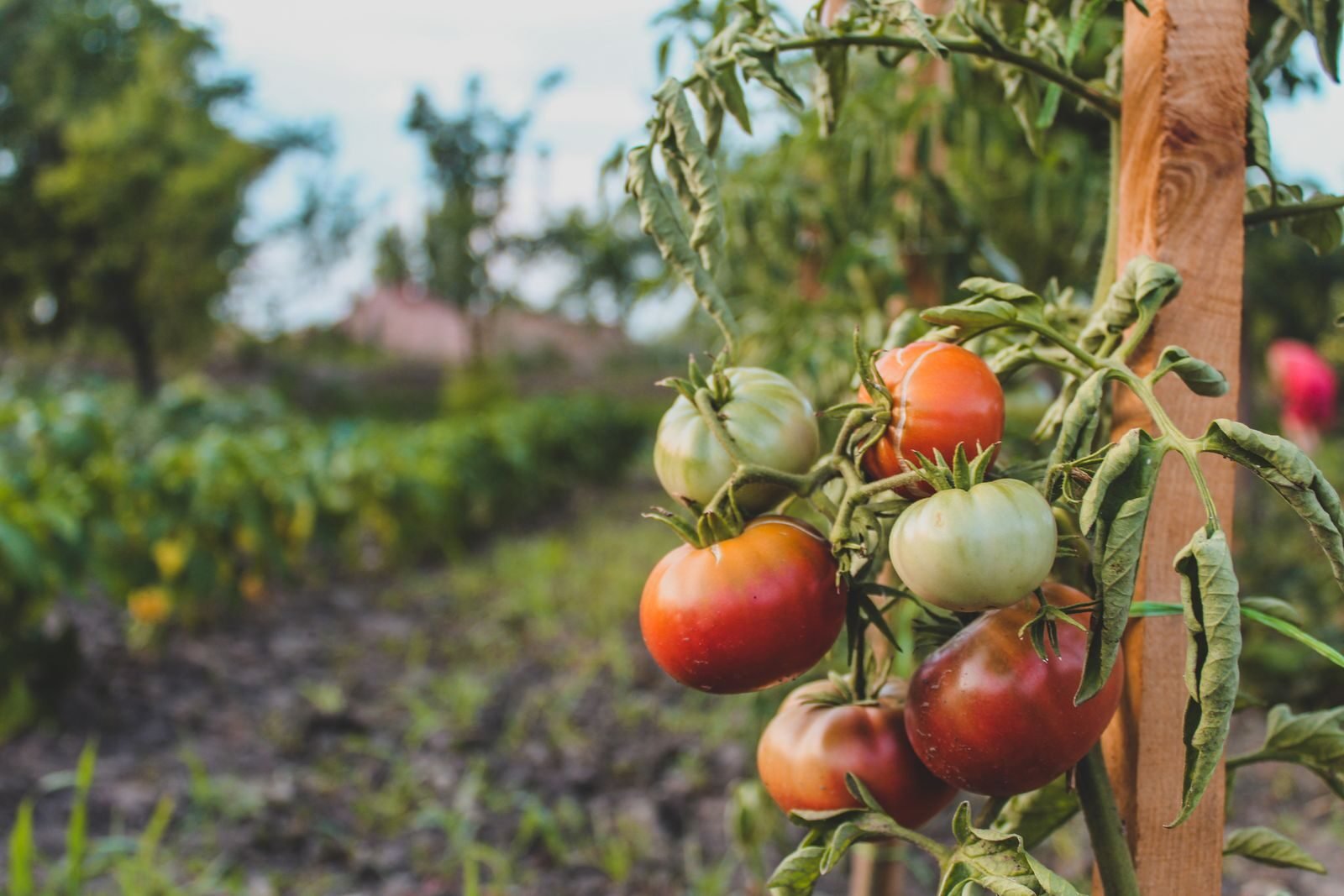
Roses and tomatoes. It goes both ways, and this is why single feeds disappoint people here. These plants want phosphorus for the flowers and fruit, which says bone meal, but they also need steady nitrogen to run the plant, which says blood meal. A bit of both, or a blend, beats either one alone.
Bulbs and transplants. Bone meal, the traditional pick for rooting in, as long as your soil is acidic enough to release the phosphorus.
Potatoes and root crops. Go light on nitrogen. Too much blood meal pushes lush top growth while you are waiting on what happens below ground. A feed lower in nitrogen serves them better.
The rule underneath all of it. Leaves and green, blood meal. Roots, flowers, fruit, bone meal. A plant doing both at once usually wants a measure of each.
Can you use them together?
Yes, and it is one of the smarter moves. They cover opposite jobs, so together you get fast nitrogen and slow phosphorus from one feeding. The shop bought “blood, fish and bone” blends are built on exactly this logic.
Mixing your own, keep the blood meal modest so the nitrogen does not spike and burn, and let the bone meal handle the slow phosphorus. One caution: on alkaline soil the bone meal half may do little, so do not lean on it there.
When not to use each
Skip bone meal on neutral or alkaline soil. You already know why now: the phosphorus stays locked, and you are feeding the bag, not the plant. And test before you assume you are short of phosphorus at all, because many soils already hold plenty.
Go careful with blood meal when a plant is already growing well, or when you want flowers and fruit rather than leaves. Extra nitrogen there gives you a big green plant and fewer blooms. And never pile it on chasing a faster result. That is not how it speeds up. That is how you burn it.
A quick word about dogs and other animals
Worth stopping on, because both of these smell like food. They are made from animal products, and dogs find them hard to leave alone.
If a dog eats a large amount, it can go badly. Veterinary poison services note that organic fertilisers with bone, blood, fish, or feather meal cause stomach upset, and bigger amounts can lead to blockages or pancreatitis (Pet Poison Helpline). Bone meal in particular can clump solid in a dog’s stomach.
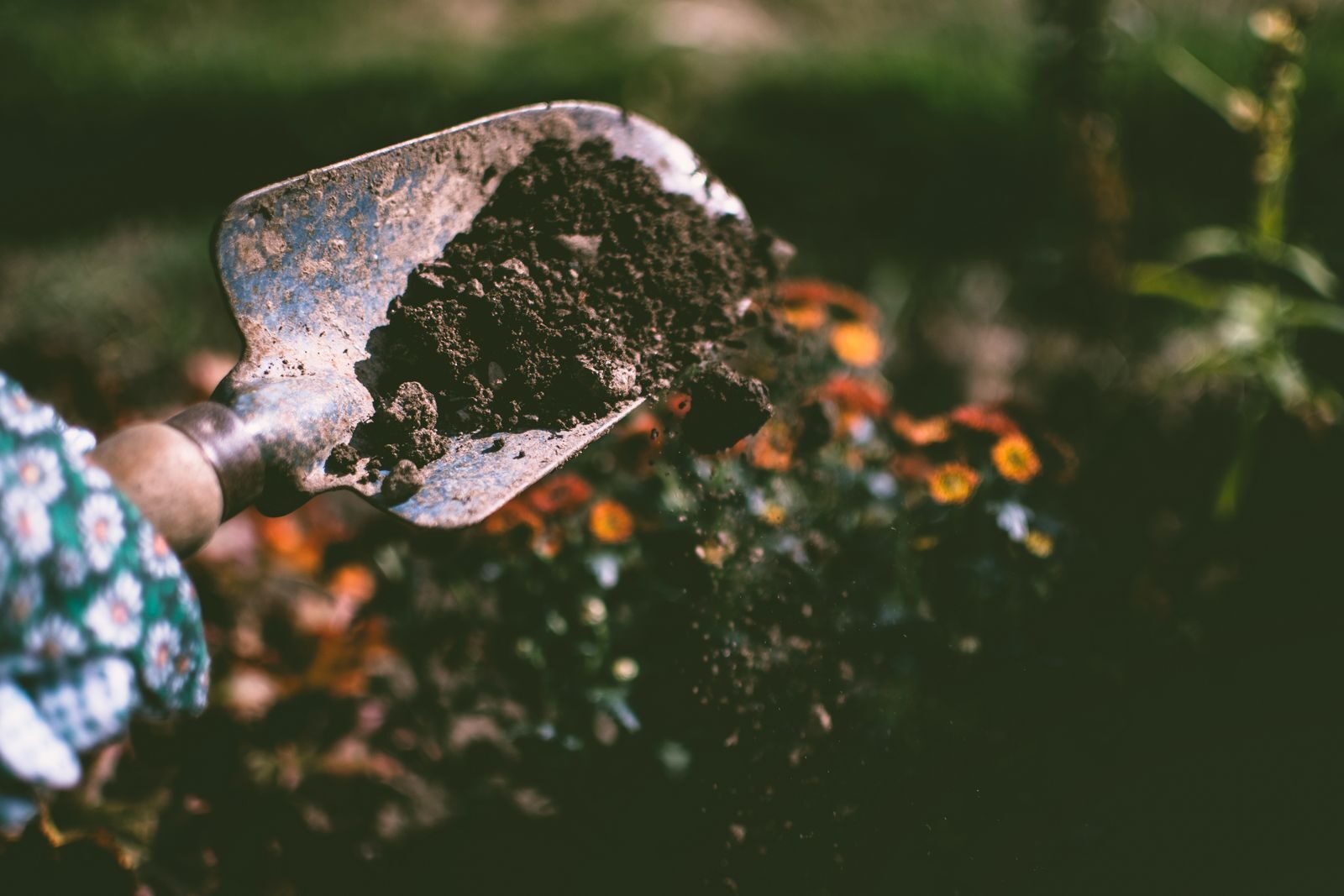
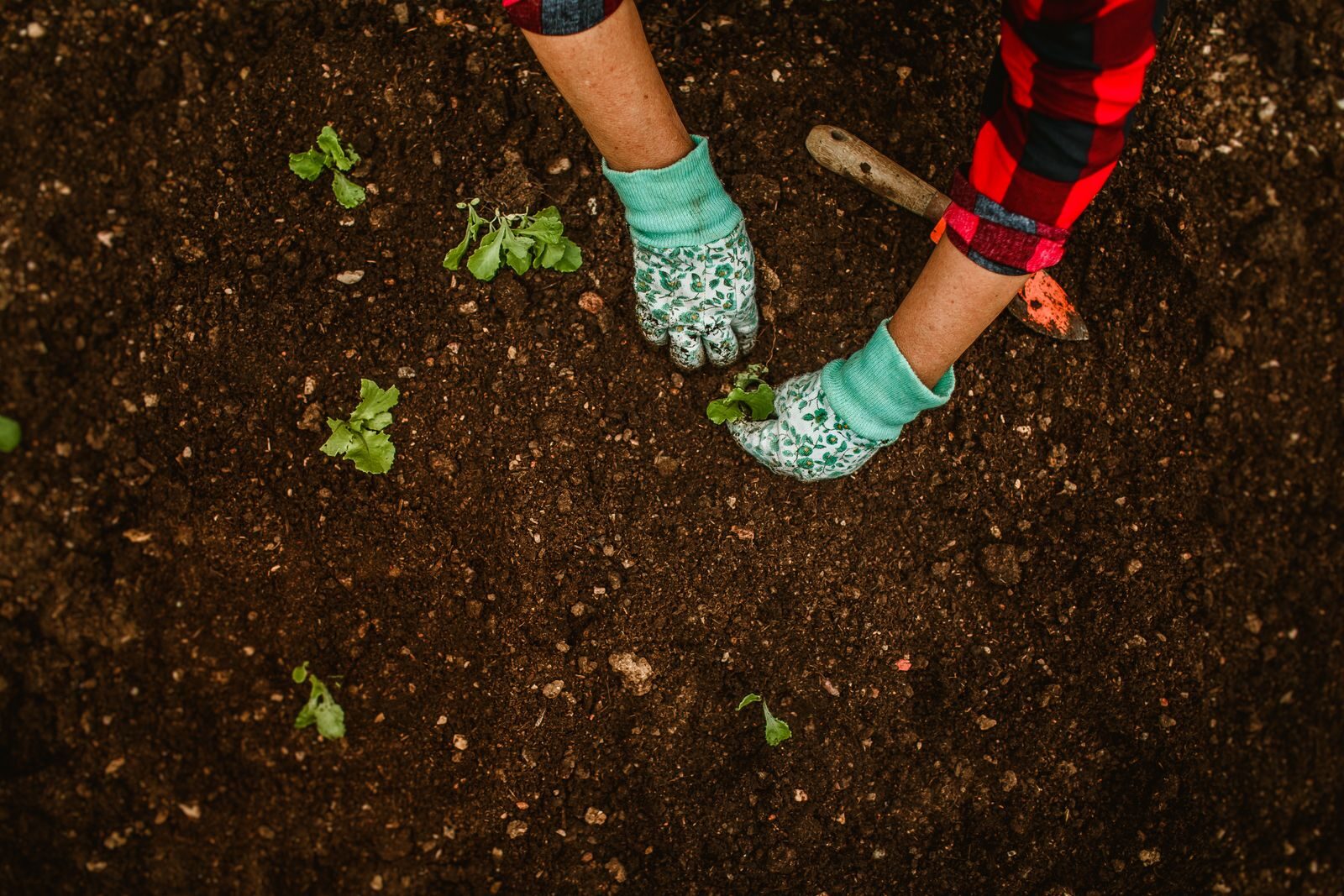
So keep the bags well out of reach, work the feed into the soil instead of leaving it on top, and keep pets off a freshly fed bed until you have watered it in. This is general information, not veterinary advice, so if your pet does get into a bag, call your vet or a pet poison line.

And the rest: the feeds worth knowing
Blood meal and bone meal are the famous two, but the same one question sorts every other feed on the shelf. What is inside, and how fast does it release?
Feather meal. High nitrogen, like blood meal, but slow instead of fast. Same nitrogen, opposite speed. That speed comes down to how the material breaks apart in the soil, which is the exact ground my background sits on: a low carbon to nitrogen material releases quickly, a tougher one holds its nitrogen back and feeds over a long stretch.
Fish meal and fish based feeds. Nitrogen plus some phosphorus, a rounder feed than blood meal alone, though the smell stays with you.
Seaweed and kelp. Not a source of the big three at all. Their value is trace minerals, the micronutrients plants use in tiny amounts. Alongside a main feed, not instead of one.
Composted manure and garden compost. The gentle all rounders. Low numbers on paper, but they feed the soil life and build structure in a way no concentrated powder can. If I could keep only one thing on this list, it would be compost, with the targeted feeds brought in when a plant asks for something specific.
How to choose, in one line
Read the plant, then read the soil. What the plant is doing, leaf or root or flower, tells you the nutrient it wants. What the soil holds, and its pH, tells you what it can release. Match the feed to both, and the guessing stops.
And if you have fed a plant and nothing is happening, do not assume you picked wrong. It may be slow release doing its slow, normal work, which I went through in why your organic fertiliser is not working. For the full story on why the NPK numbers on these bags do not mean what you think, that is in what NPK labels do not tell you.
But the deeper answer is nearly always the soil itself. Living soil makes every one of these feeds work harder, and tired soil holds them all back. If your ground needs rebuilding rather than just feeding, that is what I built the Fix Your Garden Soil guide to walk you through.
FAQ
What is the difference between bone meal and blood meal?
Blood meal is dried blood, high in nitrogen, and it releases fast to drive leafy green growth. Bone meal is ground bone, high in phosphorus and calcium, and it releases slowly to support roots, flowers, and fruit. One is a quick green feed, the other a slow root and bloom feed.
Is bone meal or blood meal better for tomatoes?
Tomatoes want both, so many gardeners use a little of each or a balanced feed. Blood meal supports the leafy plant, bone meal supports flowering and fruiting. Go steady on the blood meal, since too much nitrogen gives you a big leafy plant with fewer tomatoes.
Can you use blood meal and bone meal together?
Yes. They do opposite jobs, so together they give fast nitrogen and slow phosphorus. Shop bought blood, fish and bone blends work on the same idea. Keep the blood meal modest to avoid nitrogen burn, and remember bone meal does little in alkaline soil.
When should you not use bone meal?
Skip it on neutral or alkaline soil, where its phosphorus stays locked and cannot reach your plants. Skip it too if a soil test shows you already have enough phosphorus, which many soils do. On those soils, a bag of bone meal mostly feeds nothing.
Is bone meal or blood meal better for roses?
Roses benefit from both across the season: bone meal for phosphorus toward strong roots and blooms, and some nitrogen for healthy growth. This is why rose feeds are often blends rather than a single meal. On alkaline soil, lean on other phosphorus sources, since bone meal underperforms there.
Are bone meal and blood meal poisonous to dogs?
They can be. Both smell like food to dogs, and eating a large amount can cause stomach upset, with bigger doses risking blockages or pancreatitis. Store bags out of reach, work the feed into the soil, and keep pets off freshly fed beds. If your dog gets into a bag, call your vet or a pet poison line.
BEFORE YOU BUY EITHER BAG
Here is the one thing to carry to the garden centre with you.
Ask what your plant is doing, then ask what your soil can give. Leaves and green want blood meal, fast nitrogen, easy to overdo, so go light. Roots, flowers, and fruit want bone meal, slow phosphorus, but only if your soil sits below pH 7, so test before you trust it. Flowering, fruiting crops usually want a little of both. And whichever you choose, keep the bag away from the dog and work the feed into the soil.
Do that, and you stop buying on the name and start buying on what your garden needs.
But notice how often the answer came back to the soil, its pH, its life, what it can release. That is the real lever. If your ground is hard, waterlogged, sandy, or just lifeless, no bag fixes that, and my Fix Your Garden Soil guide walks you through diagnosing the six common soil problems, pH included, with two no-lab tests you can do in an afternoon. Feed the soil, and the soil feeds the plant.