



You have probably heard that some people get finished compost in a few weeks, while your pile has been sitting there for the best part of a year. I understand the frustration, and the difference almost always comes down to one choice: hot composting versus cold composting.
So which one breaks down faster, and which should you actually be doing?
Let me save you the suspense and then earn it…
Hot composting is much faster, weeks to a couple of months, but it asks for effort and a bit of know-how.
Cold composting crawls along over many months, sometimes more than a year, but it asks almost nothing of you. Neither is simply the winner. They are two different bargains between speed and effort, and once you see how each one works, you will know which bargain suits you. Let me walk you through both.
What is hot composting?
Hot composting is the fast, hands-on method. You build a pile that heats up, on purpose, to a high temperature inside, and that heat is the engine that drives everything.
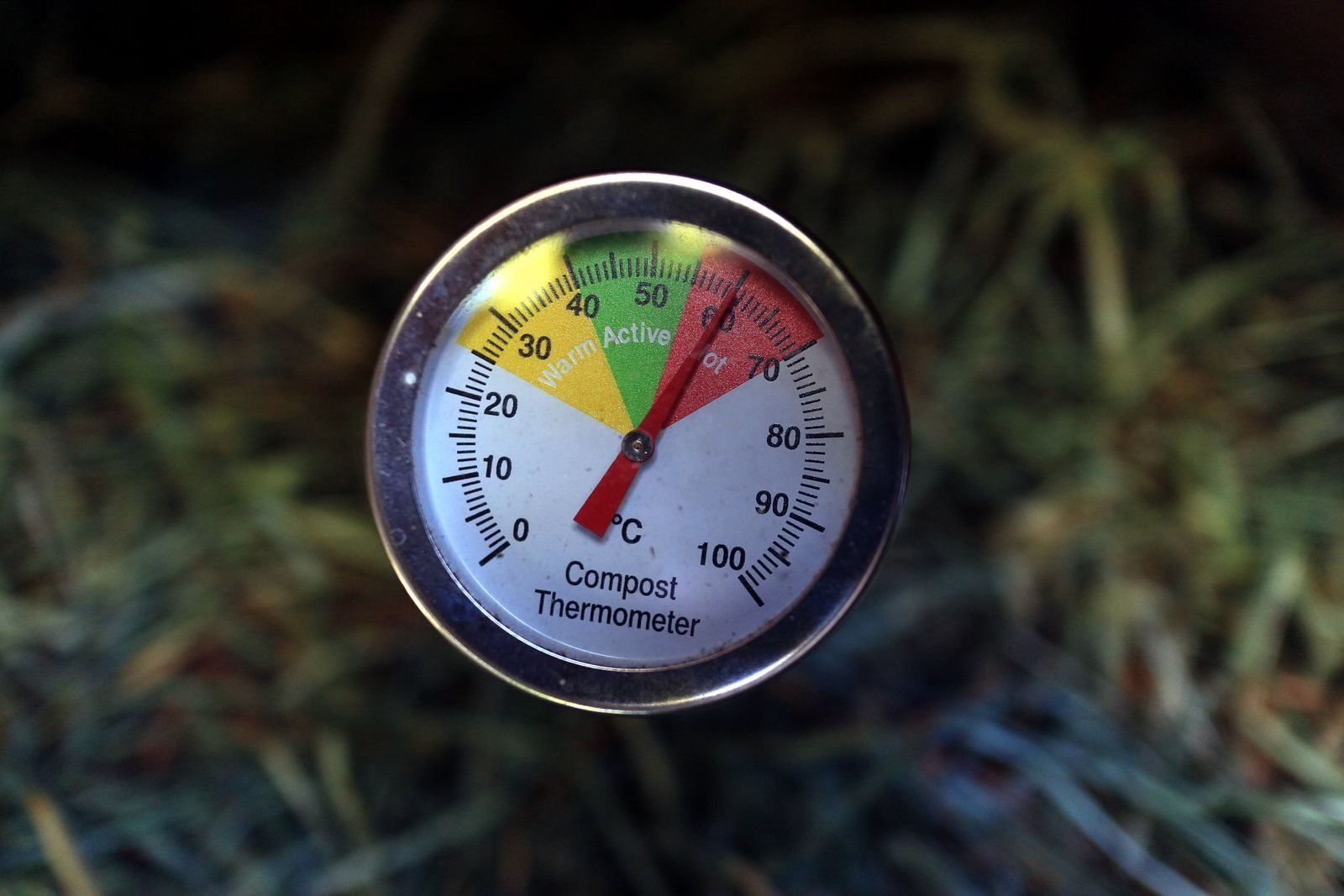
What I love about it is that the heat is not something you pour in. It comes from the microbes themselves. As they feed on the material, their activity throws off heat, and in a big, well-built pile that heat piles up faster than it can escape. This is the part I find quietly thrilling, because it connects straight to my own research: a pile’s temperature is, in effect, a readout of how hard the microbes are working. The hotter it runs, the more furious the life inside it.
And as the pile heats, the cast of characters changes. The everyday, moderate-temperature microbes warm things up, and then heat-loving microbes called thermophiles storm in and take over.
Soil scientists writing for eOrganic note that in a pile big enough to insulate itself, this active phase can reach 131 to 170°F (55 to 70°C) within a few days. Those thermophiles are ferociously efficient eaters, which is exactly why hot composting is so quick.
To reach those temperatures, though, a hot pile needs a few things from you:
– Size: roughly a cubic metre (about a cubic yard) at minimum, so it can hold its own heat.
– Balance: a good mix of carbon-rich browns and nitrogen-rich greens.
– Moisture: as damp as a wrung-out sponge, no more.
– Air: turning every few days to feed the microbes the oxygen they need, which I covered in my post on how often to turn compost.
Get those right, and a hot pile can be finished compost in around eight to twelve weeks, faster still in warm weather.
What is cold composting?
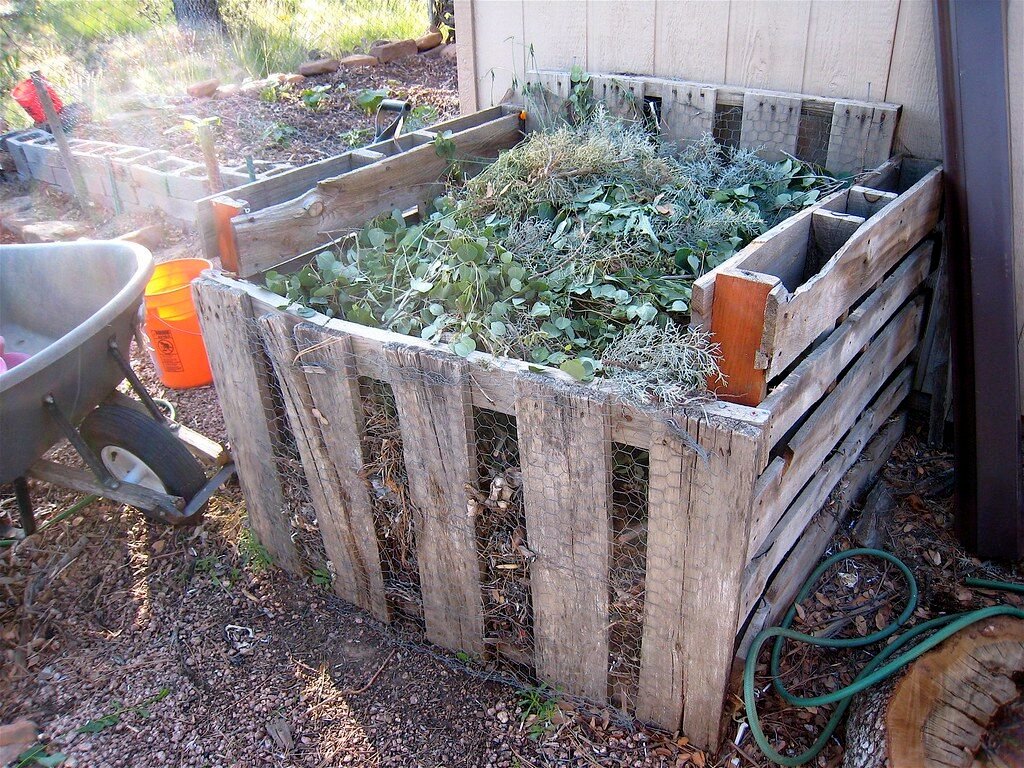
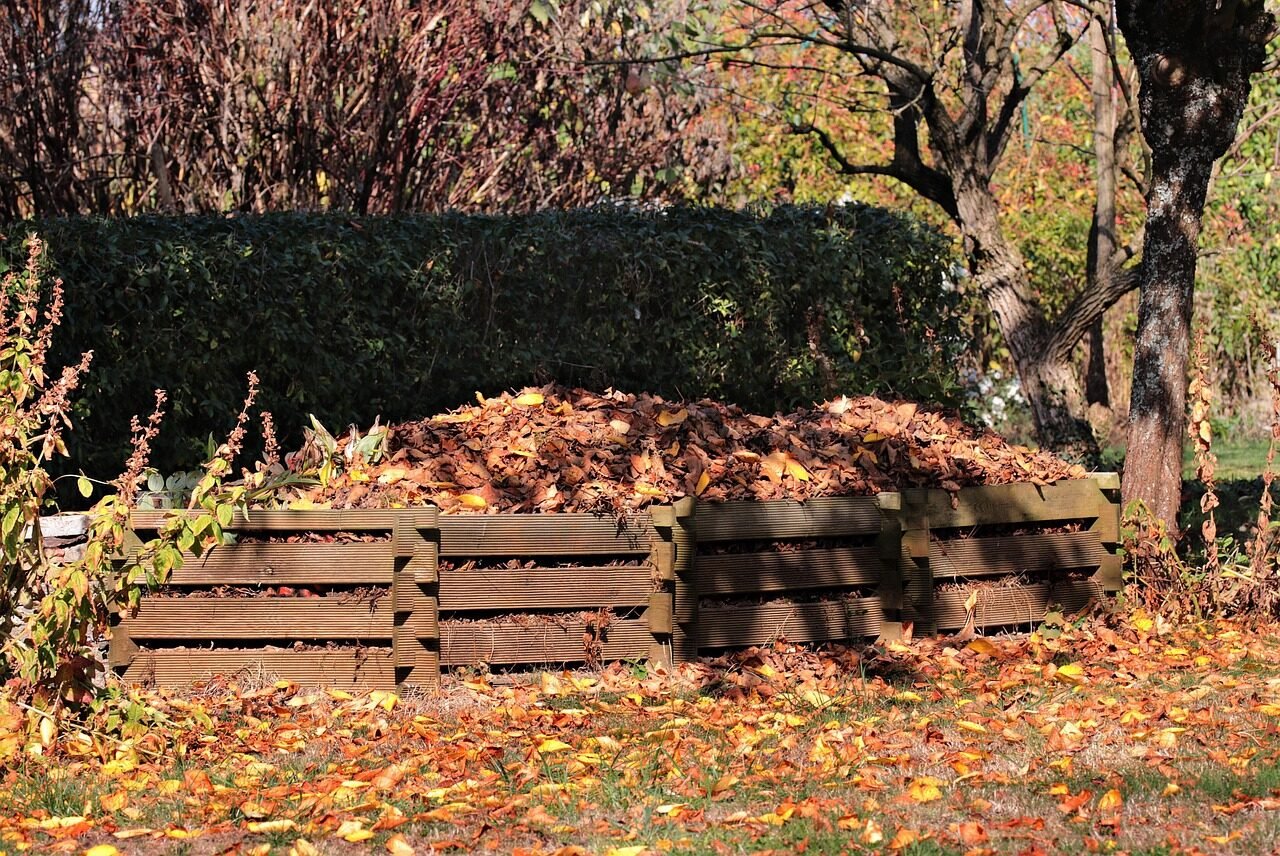
Cold composting is the slow, easy method, and I would bet it is what most people are doing without ever calling it that. You add material to a pile or bin as it turns up, kitchen scraps here, garden waste there, and let nature get on with it. No building it all in one go, no turning, no fussing with a thermometer. You pile it, and you wait.
Because you are not managing it for heat, a cold pile mostly sits near the temperature of the air around it. It never gets hot, so the work is done by slower, cooler-running microbes and by worms and other creatures picking through it. It still becomes good compost in the end. It simply takes its sweet time.
How long is that? Usually somewhere between six and eighteen months, depending on your materials, your weather, and how well you chopped things up. Slower, yes. But the effort is close to nothing, and for a lot of gardeners that is the whole appeal.
Which breaks down faster, and how long does each take?
This is the heart of what you came for, so let me put it plainly:
Hot composting: roughly 8 to 12 weeks, and as little as a few weeks in ideal warm conditions with diligent turning.
Cold composting: roughly 6 to 18 months, with little or no intervention.
Hot composting wins on speed by a wide margin, often finishing in a fraction of the time. And the reason sits entirely with those thermophilic microbes: at high temperatures they tear through material many times faster than the cool microbes plodding along in a cold pile. Heat, in composting, is speed.
But that speed has a price, and the price is effort. A hot pile wants enough material to build it all at once, the right balance, and regular turning. A cold pile asks nothing of you but patience. That is the trade, laid bare.
The big advantage of hot composting: it kills weed seeds and disease
Speed is not the only reason I reach for hot composting. There is a second payoff that matters just as much, and it answers one of the most common questions people have: hot composting kills weed seeds and disease.
When a pile holds a high enough temperature for a few days, the heat destroys weed seeds, plant pathogens, and many pests. The widely used benchmark, which shows up throughout composting guidance on weed seeds and pathogens, is keeping the pile above roughly 55°C (131°F) for at least three days.
At that heat, weed seeds are effectively cooked so they cannot sprout, and harmful organisms like E. coli and Salmonella are killed off. That is why hot compost is considered safer to spread, it will not sneak weeds or disease back into your beds.
Cold composting cannot promise this. Because it never gets hot, weed seeds and pathogens can ride out the whole process and land right back in your garden. So if you are composting weedy material, or anything you would rather sanitise, hot composting has a genuine edge here.
The big advantage of cold composting: almost no effort, and a gentler touch
Cold composting has its own quiet virtues, and I think they are easy to undervalue.
The obvious one is effort, of which there is almost none. You do not need to hoard a huge batch, balance it just so, or turn it week after week. You add your waste and you wait. For plenty of gardeners, that is precisely the point.
There is a subtler benefit too. A cold pile is kinder to the life inside it. The fierce heat of a hot pile, useful as it is, is hard on worms and delicate fungal threads. A cool pile lets those creatures work slowly through the material, and it tends to hold on to a little more of its nitrogen instead of venting some off as gas during the hot phase. So cold compost can be beautiful, living stuff. It just keeps you waiting for it.
So which should you choose?
I will be clear with you: it depends on you, not on some ranking of which method is best. Here is how I would decide.
Reach for hot composting if you want finished compost soon, you can gather enough material to build a big pile at once, you do not mind turning it regularly, or you need to kill weed seeds and pathogens.
Reach for cold composting if you would rather do almost nothing, you add waste bit by bit as it appears, you are in no rush, and you are not dealing with weedy or diseased material.
And here is what I actually do, in case it helps: I land in between. A mostly cold pile that gets the occasional turn and a decent green-and-brown balance runs warmer than a neglected heap and finishes sooner, without the full labour of a proper hot system. You do not have to plant your flag in one camp.
How to speed up cold composting
If you have chosen the easy road but still wish it moved a little quicker, you can coax a cold pile along without going fully hot:
– Chop your material smaller, more surface area means faster breakdown.
– Balance your greens and browns better (my free compost carbon-to-nitrogen calculator takes the guesswork out of this).
– Give it an occasional turn, even now and then makes a difference.
– Keep it as moist as a wrung-out sponge, and never waterlogged.
– Build it a little bigger so it holds on to some warmth.
Do a handful of these and a “cold” pile quietly drifts warmer and finishes sooner, without ever becoming another chore on your list.
Summary
Hot and cold composting are a bargain between speed and effort. Hot composting builds a large, balanced pile that heats to 55 to 70°C through intense thermophilic microbial activity, finishes in roughly 8 to 12 weeks, and gets hot enough to kill weed seeds and pathogens, though it needs volume, balance, and regular turning.
Cold composting is the pile-it-and-wait method: next to no effort, but it takes 6 to 18 months and never gets hot enough to sanitise weedy or diseased material.
Reach for hot if you want speed or need to clean up weedy material and do not mind the work. Reach for cold if you want ease and have patience. Or do what I do, a mostly cold pile with the occasional turn and a decent balance, which sits somewhere pleasant in the middle.
Common questions
Which is better, hot or cold composting?
Neither is simply better, it is a trade-off. Hot composting is much faster (weeks to a couple of months) and kills weed seeds and pathogens, but it needs a large pile, good balance, and regular turning. Cold composting is very slow (many months to over a year) but takes almost no effort. The right choice depends on whether you value speed or ease.
How long does hot composting take?
Usually around 8 to 12 weeks, and sometimes as little as a few weeks in warm weather with a well-built pile and diligent turning. The speed comes from heat-loving microbes that tear through material once the pile reaches a high internal temperature.
How long does cold composting take?
Generally 6 to 18 months, depending on your materials, climate, and how finely you chopped everything. It is slow because the pile never heats up, so the work falls to cooler-running microbes and creatures like worms. The upside is that it asks almost nothing of you.
Does hot composting kill weed seeds?
Yes, when it is done properly. Holding a pile above about 55°C (131°F) for at least three days destroys most weed seeds and pathogens, which is a key reason to hot compost weedy or diseased material. Cold composting does not get hot enough to manage this reliably, so weed seeds can survive it.
Can I cold compost in winter?
Yes, though it slows right down. Cold composting runs close to the surrounding temperature, so in cold weather the microbes work sluggishly and the pile can nearly pause, then pick back up as things warm. It keeps ticking over, just more slowly, which is perfectly normal.
Can I switch from cold to hot composting?
You can. If you have been cold composting and want more speed, gather enough material to build a bigger pile at once, get the green-and-brown balance right, make sure it is moist, and start turning it regularly. With enough volume and balance, the pile will begin to heat and behave like a hot one.