






Have you seen those little brown shells sold as a natural way to wash your clothes, with no bottle and no chemicals?
People swear by them, and the claims are big: throw a few in the machine and your laundry comes out clean, all from a plant. So do soap nuts work, or is this another natural cleaning idea that sounds better than it washes?
I want to give you a proper answer, because this is close to my training. I am a plant scientist, and the plants that make these shells sit right in the area I studied. When I read that a plant makes its own soap, I do not think of a gentle helper.
I think of a defence chemical, because that is what it is. Let me explain what that means, and what the science shows about whether these shells clean your clothes.
What a soap nut is
A soap nut is not a nut at all…
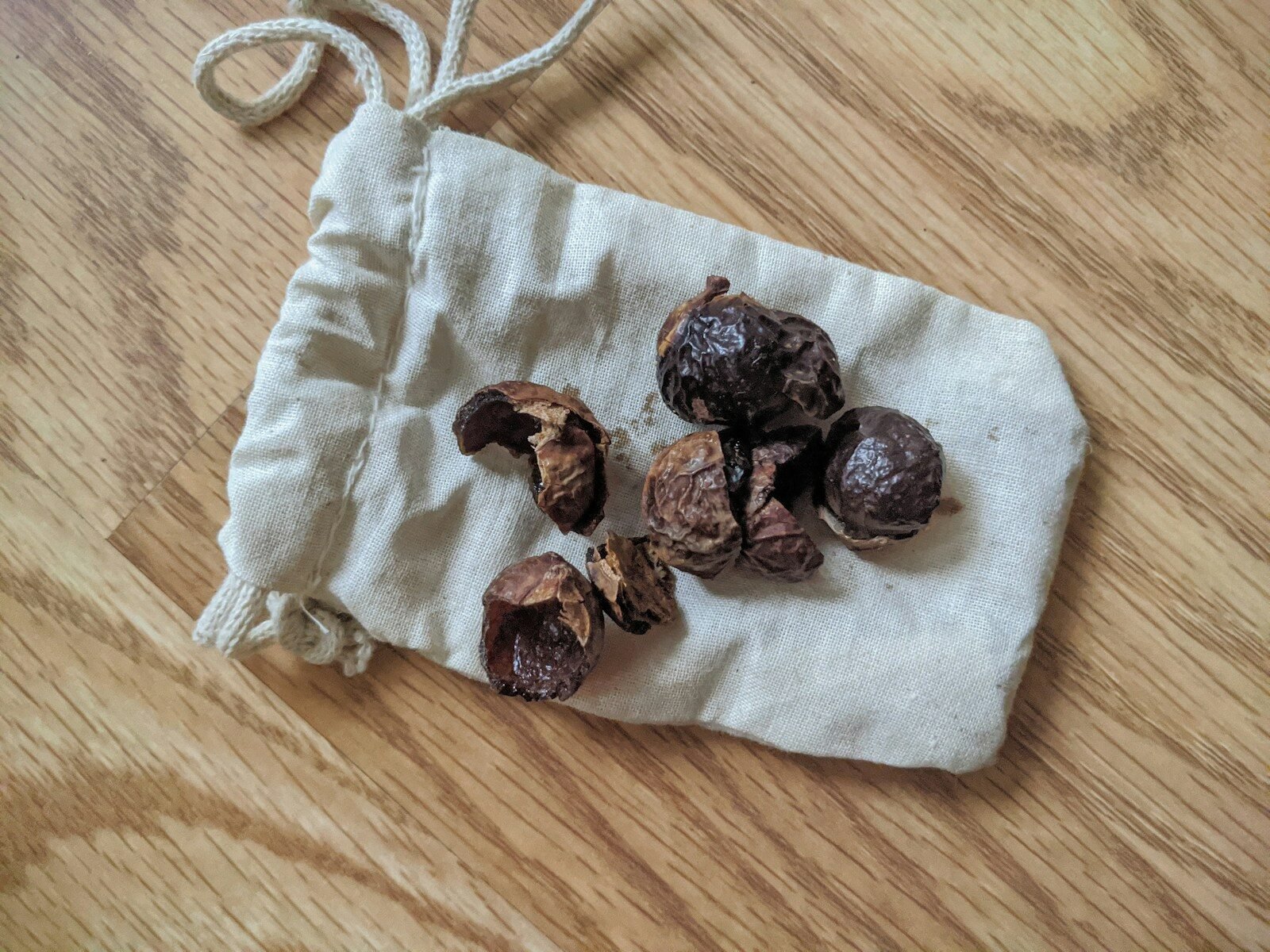
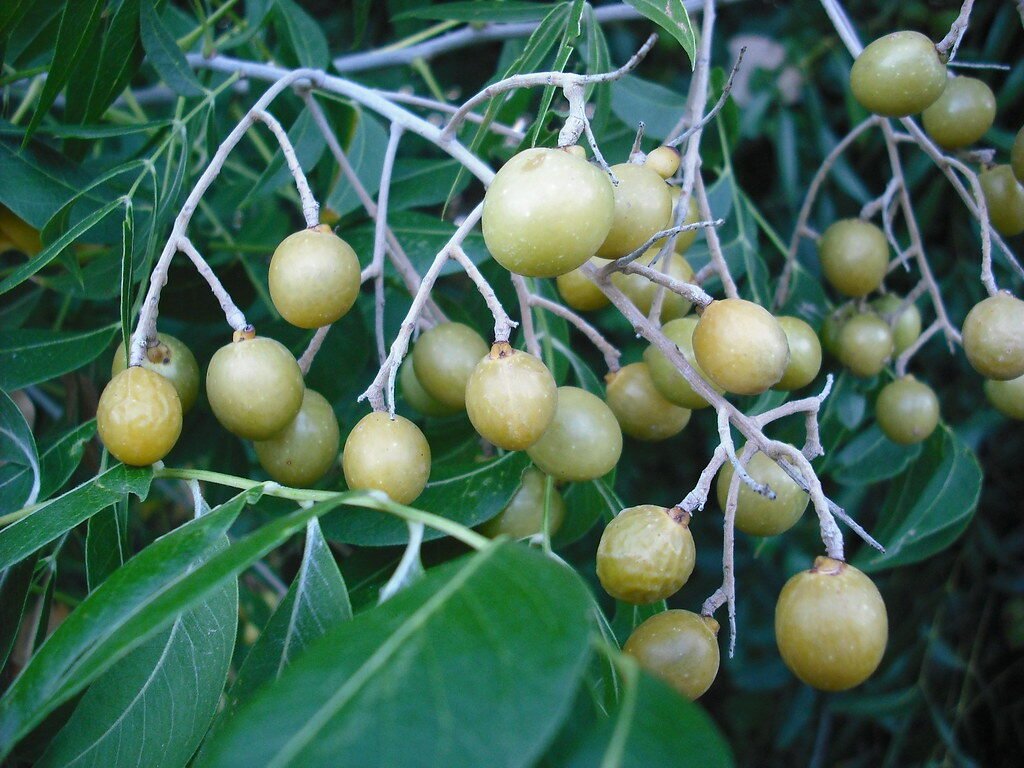
It is the dried shell of a berry from trees in the Sapindus family, grown mostly in India, Nepal, and nearby regions. People there have used the shells to wash clothes for a very long time, so the idea is old and well established, not invented by marketing.
The cleaning comes from a group of natural compounds in the shell called saponins. And this is where my background changes how I read the label. Saponins are made by many plants as a defence, to taste bad to insects and to fight off microbes.
The plant is not making soap to be kind. It is making a chemical weapon, and that same chemical happens to have a soap-like effect in water. According to a plant science review of these compounds, saponins are natural surfactants, meaning they have one part that likes water and one part that likes oil and grease, which is the same basic design as the cleaner in a normal bottle.
So the chemistry holds up. A soap nut does contain a true surfactant. That part of the claim is fair, and I want to be clear about it before I add the caveats.
So do soap nuts work?
Here is my answer, and I have weighed the studies to get to it. Soap nuts can clean, but only under the right conditions, and everyday washing often does not give them those conditions.
The saponin content of the dried shell is only around a tenth of its weight, and it varies from berry to berry and species to species. That already tells me the strength will not be steady, because a natural product like this cannot hold a fixed dose the way a made cleaner can.
On top of that, the saponin needs to be released properly, which takes warm water and time. In hot water, with a good soak, the studies show soap nuts can wash reasonably well. In a short, cool machine cycle, the saponin barely comes out, and the result can be weak, no better than washing with water alone.
So the fair verdict is not “they are useless” and not “they are a miracle.” It is this: they hold a working cleaner, but a mild and variable one, and they only reach their modest best when you give them heat and time. For light, everyday laundry with no strong stains, washed warm, they can do an acceptable job.
For heavy stains or a quick cold wash, they will let you down, and a small amount of ordinary detergent would clean better.
Why they are gentle, and why that is a limit
The thing people love about soap nuts is that they are gentle. That is true, and the reason is simple. The saponin is a mild surfactant at a low and uneven concentration, so it does not strip or foam the way a strong made detergent does. Gentle is a clear benefit for light washing.
But gentle and powerful are opposite ends of the same measure. The very mildness people praise is also why soap nuts struggle with greasy or heavily soiled loads. You cannot have a weak, gentle cleaner and expect strong cleaning from it.
When I read a product promising both, that is the point where I stop trusting the marketing and look at the evidence instead. If you want to test any bold natural claim like this for yourself, I built a greenwashing score tool that walks you through the questions worth asking.
The surprising part most pages never mention
Here is the part that stopped me when I read it, and it comes straight from my training in how substances affect the environment.
Soap nuts are sold as kind to nature, and in some ways they are, since they are a plant product you can compost. But the plant makes saponins as a defence toxin, and that toxin does not switch off just because it is natural.
A scientific review of soap nut plants notes that the fruit is toxic to aquatic animals, and that there is not yet enough data to set safe limits for soap nut saponins in waste water. In plain terms, the same chemical that washes your clothes can be harmful to fish, and we do not fully know at what level.
I am not saying this to scare you off. Home washing is diluted and usually treated, as with any cleaner. I am saying it because it shows something I care about deeply: natural does not mean automatically kind to the environment. A plant defence toxin is still a toxin. This is exactly the sort of caveat the promotional pages skip, and it is the sort my training makes me look for first.
How I would use them, if you want to
None of this means you should never use soap nuts. It means you should use them with clear eyes and for the right jobs.
If you like the idea, use them for light, everyday loads, not for heavy stains. Wash warm, not cold, and give the shells a short soak in hot water first to release the saponin before the cycle. Do not expect suds, because a low-foaming wash is normal for them and does not mean it is not working. And keep a normal detergent for the loads that truly need it, like heavily soiled or greasy items.
That is how I would treat them. As a mild, pleasant option for gentle washing, chosen with clear expectations, rather than as a full replacement for detergent that does every job. Used that way, they can have a place. Sold as a miracle, they will only disappoint you.
Summary
Soap nuts are the dried berry shells of Sapindus trees, and they clean because they contain saponins, which are true natural surfactants. The chemistry holds up, so the basic claim is not a lie.
The cleaning is mild and variable, though. The saponin is only about a tenth of the shell, it differs between berries, and it needs warm water and time to be released. In hot water with a soak, soap nuts wash acceptably for light loads. In a short cold wash, they can perform no better than water, and a little ordinary detergent would do more.
There is also a caveat the marketing skips…
The plant makes saponins as a defence toxin, and reviews note the fruit is toxic to aquatic animals, with limited data on safe levels in waste water. Natural does not mean automatically harmless. Used for light, warm washes with sensible expectations, soap nuts have a place. As a full detergent replacement for every load, they fall short.
Common questions
Do soap nuts work as a laundry soap?
They can, for light loads washed in warm water, because their saponin is a true but mild surfactant. In a short cold wash they often perform no better than plain water, since the saponin needs heat and time to release. For heavy stains they are weak, and a small amount of ordinary detergent cleans better.
What makes soap nuts clean?
A group of natural compounds called saponins in the shell. Saponins are surfactants, with a water-liking part and an oil-liking part, so they lift grease and dirt into the wash water. The plant makes them as a defence against insects and microbes, and that same chemistry gives the soap-like effect.
Are soap nuts as good as normal detergent?
Not for most jobs. They are gentler and milder, which suits light, everyday washing, but that same mildness means they struggle with grease and heavy stains. Their strength is also variable because it is a natural product. For tough loads, a made detergent cleans more reliably.
Are soap nuts good for the environment?
They are a compostable plant product, which is a clear plus. But they are not automatically harmless. The saponins are a plant defence toxin, and reviews note the fruit is toxic to aquatic animals, with limited data on safe levels in waste water. Natural does not always mean kind to water life.
How do I get the best results from soap nuts?
Use them for light loads, wash warm rather than cold, and soak the shells in hot water first to release the saponin. Do not expect suds, since a low-foam wash is normal for them. Keep an ordinary detergent for greasy or heavily soiled washes that soap nuts cannot handle.