




I see the word “biodegradable” on cleaning bottles, bags, and packaging every week, and I understand why it makes people relax. It sounds like a promise that the thing will quietly return to nature and leave no trace. But when someone asks me what does biodegradable mean, my answer is that the word on its own tells you very little, and I want to show you why.
Here is the heart of it, and it is the thing I keep coming back to in my work…
Whether something biodegrades does not depend only on the material. It depends just as much on where it ends up. The same item can rot away in one place, linger for decades in another, and cause a problem in a third. So “biodegradable” without conditions attached is a bit like being told a journey takes “some time” with no distance and no speed. True, and nearly useless.
Let me walk you through it, because once you see how much the conditions decide, you read the word very differently. I spent part of my training on how substances break down in the environment, and the first lesson is always the same: ask about the conditions before you trust the claim.
What the word is supposed to mean
Let me start with the definition, because there is a real one, even if the label rarely lives up to it.
Biodegradable means a material can be broken down by living things, mainly bacteria and fungi, into simple, natural substances. The microbes eat it and take it apart. That is the core idea, and it is a good one.
The trouble is that this says nothing about how long it takes or what the microbes need to do their work. And that is where the regulators step in with something firmer.
Under the United States Federal Trade Commission’s Green Guides, a plain “biodegradable” claim is only justified if the whole item completely breaks down and returns to nature within a reasonably short time after normal disposal, which the guidance treats as about one year.
So the word is supposed to mean “gone, properly, within roughly a year, where you would normally throw it away.” I like that definition, because it puts a clock and a condition on the promise. My problem is that the word on a label almost never comes with either.
The same item, three different fates
Here is the part I find most useful to share, because it makes the whole thing click. Take one “biodegradable” item and imagine sending it to three different places. It behaves like three different objects.
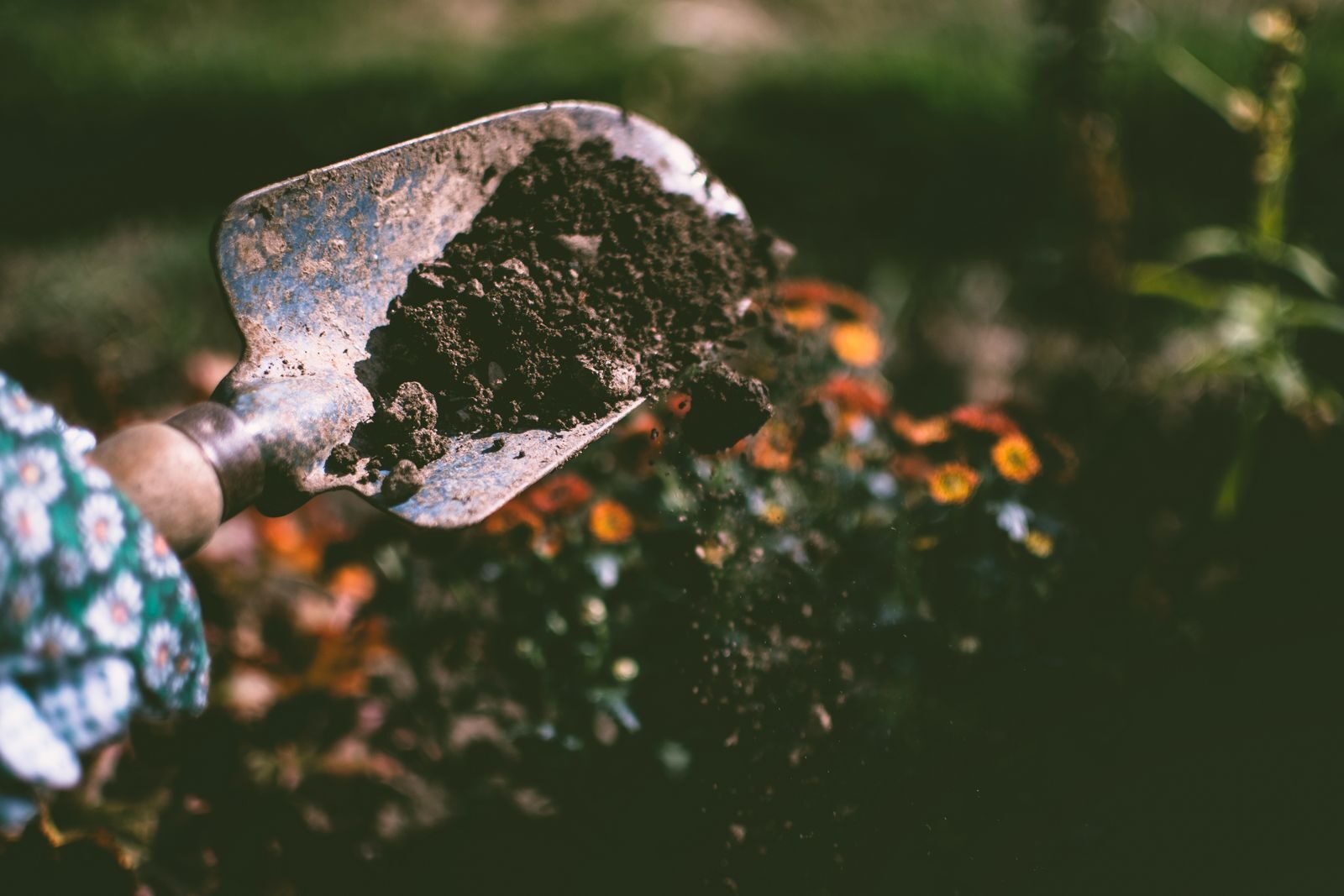
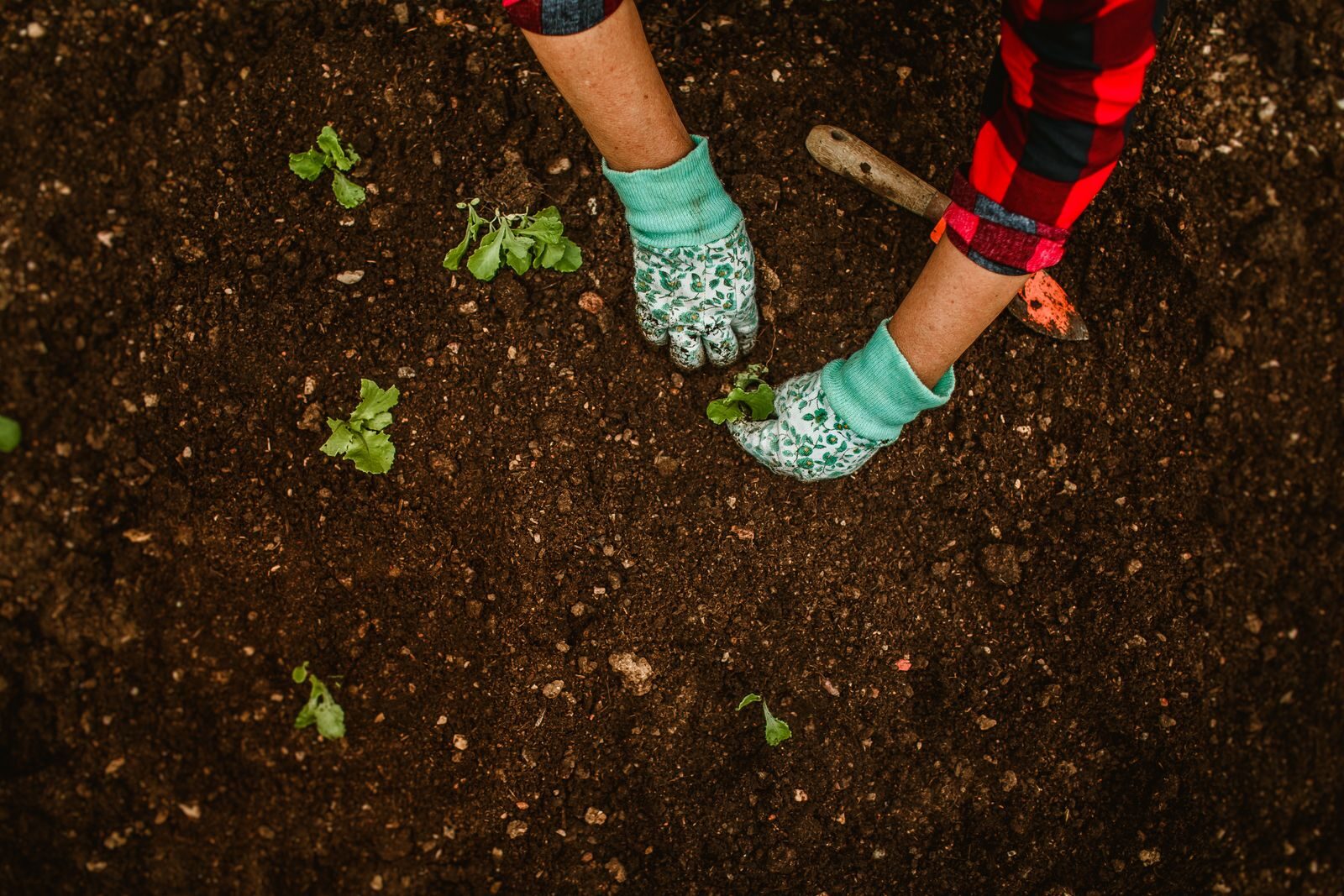
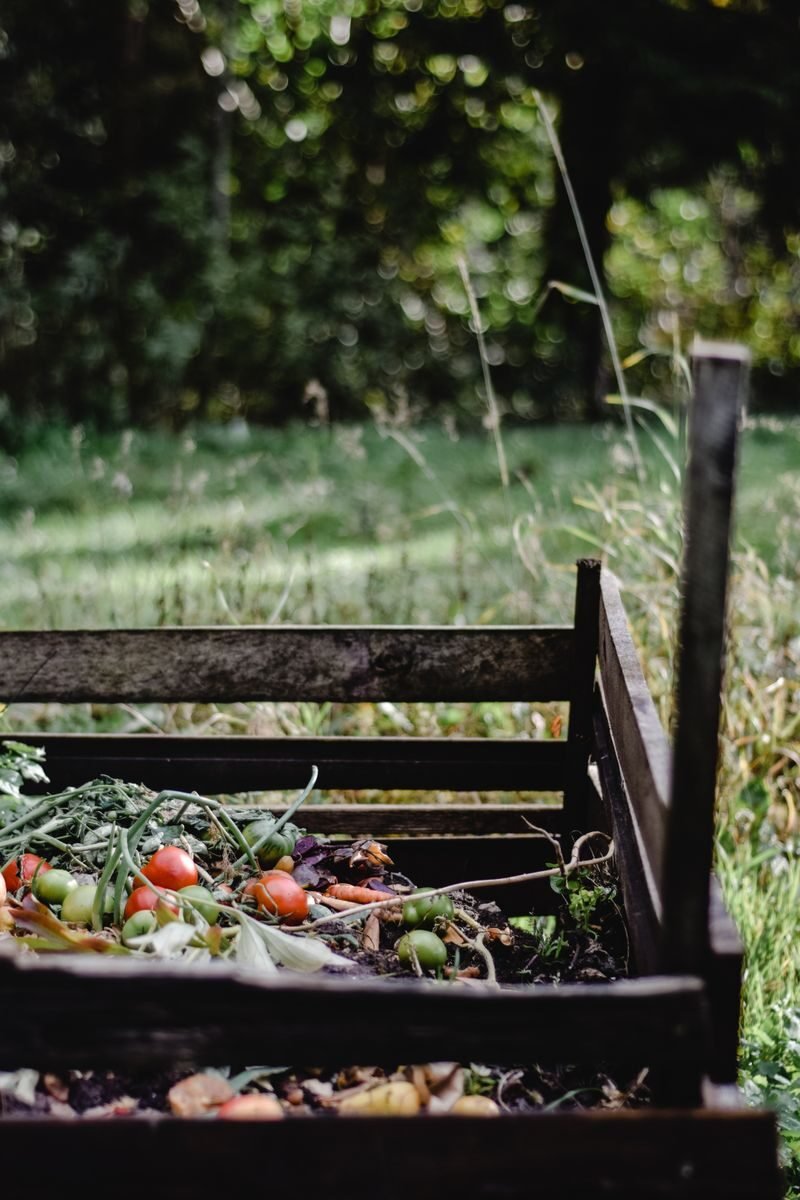
In a compost heap, it does what the label suggests. A compost heap is warm, damp, and full of oxygen, which is exactly what the microbes need. They are active, they multiply, and they break the material down into something soil-like in weeks or months. This is biodegradation working as advertised, because the conditions are right.
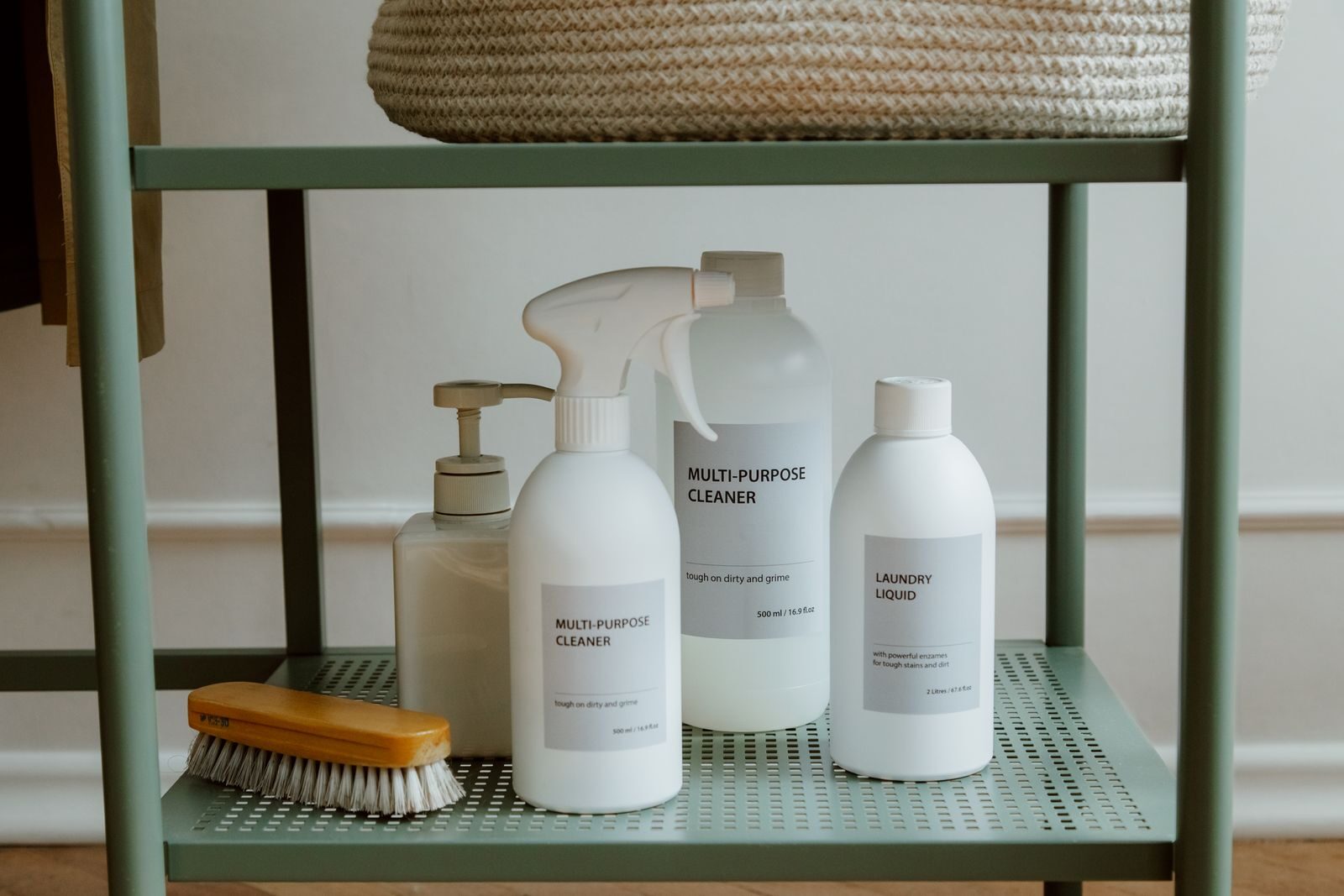
Down the drain, which is where cleaning products actually go, the story is about water and dilution. Here the question is whether the ingredients break down in sewage treatment and in rivers, and whether they harm water life before they do. A biodegradable cleaner is designed for this route, broken down by microbes at the treatment works. The conditions are built for it, so the word means something here too.
In a landfill, the same item can sit almost unchanged, and this is the part that surprises people most. I will explain it properly in a moment, because it is the clearest proof that conditions, not the material, decide the outcome.
So before you trust “biodegradable,” the real question I ask is never “is this biodegradable.” It is “biodegradable where.” The label answers the first question. Only the conditions answer the second.
Why “biodegradable” barely happens in landfill
This is the example that made the idea stick for me, so let me hand it to you.
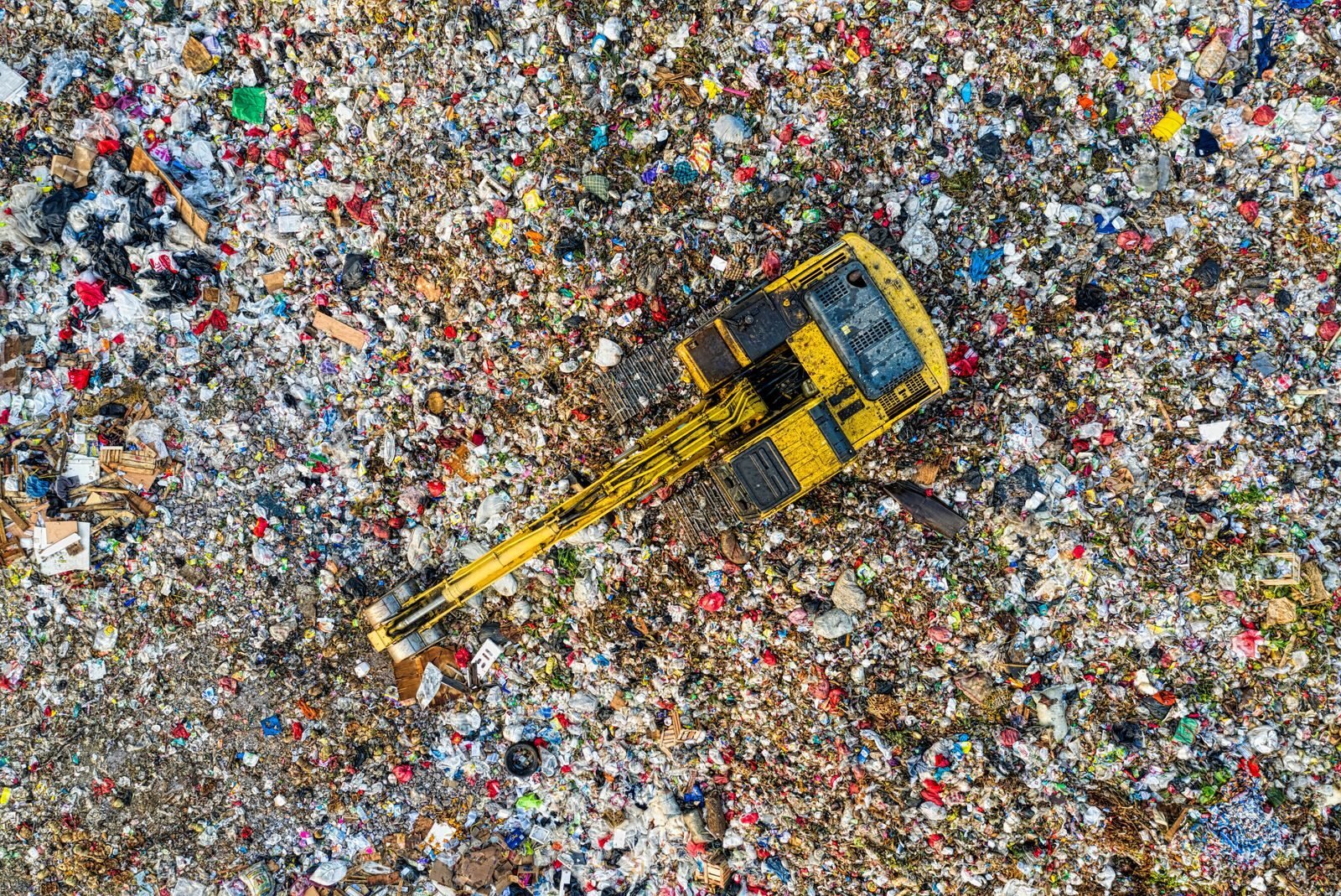
You would think a landfill, full of rubbish and bacteria, would be the perfect place for things to rot away. It is close to the opposite. A modern landfill is built to bury and contain waste, not to help it break down. Rubbish is packed down tight and sealed off, which squeezes out air and keeps things dry. And biodegradation, the good aerobic kind that happens in a compost heap, needs oxygen.
So what happens instead? According to the United States Environmental Protection Agency, within about a year a landfill turns oxygen-free, and a different set of bacteria take over, ones that work without oxygen. They break waste down very slowly, and as they do, they produce landfill gas, which is roughly half methane.
That matters, because methane is a greenhouse gas many times more potent than carbon dioxide, and landfills are one of the largest human sources of it. This is why excavated landfills have turned up decades-old newspapers still readable and food scraps barely changed. The material was “biodegradable” the whole time. The conditions simply never let it happen.
I find this clarifying, and a little sobering. It means that tossing a “biodegradable” item in the general bin does not give you the clean disappearance the word implies. At best it breaks down very slowly. At worst it adds to the methane problem. The word made a promise the bin could never keep.
How I read the word now
So here is what all this changed for me, and what I would pass on to you.
I no longer treat “biodegradable” on a label as a reason to relax. I treat it as a claim that is only as good as two things: the conditions the item will actually meet, and whether the label bothers to name them. “Home compostable within a set time” tells me something. “Breaks down in wastewater treatment” tells me something. A lone “biodegradable,” floating there with no conditions and no timeframe, tells me almost nothing, because I now know the same word can mean “gone in weeks” or “here in forty years” depending entirely on where the item lands.
For cleaning products, which is my main patch, the good news is that the down-the-drain route is the one they are designed for, and a proper biodegradable cleaner does break down in treatment. But even there, I look past the word to whether the product meets a real standard, because the word alone was never the evidence.
That is the whole message. Biodegradable is not a property an item simply has. It is something that happens, or does not, depending on the conditions you give it. Ask “biodegradable where,” look for the conditions, and the word finally becomes useful instead of just reassuring.
Summary
Biodegradable means a material can be broken down by microbes into simple, natural substances. Under the FTC’s guidance, a plain biodegradable claim should mean the whole item breaks down within about a year under normal disposal, but labels rarely state a timeframe or conditions.
The key idea is that biodegradation depends on conditions as much as the material. The same item breaks down quickly in a warm, oxygen-rich compost heap, is designed to break down in wastewater treatment if it is a cleaning product, but can sit almost unchanged in a landfill. A modern landfill is compacted and sealed, so it turns oxygen-free within about a year, and the slow anaerobic breakdown that follows produces methane, a potent greenhouse gas, rather than a clean disappearance.
So the useful question is not “is this biodegradable” but “biodegradable where.” A claim that names its conditions and timeframe means something. A bare “biodegradable” with nothing attached tells you very little, because the conditions, not the word, decide what actually happens.
Common questions
What does “biodegradable” mean?
It means a material can be broken down by living things, mainly bacteria and fungi, into simple natural substances. On its own, though, the word says nothing about how long that takes or what conditions are needed. Under FTC guidance a plain biodegradable claim should mean the item fully breaks down within about a year under normal disposal, but most labels do not state a timeframe.
Does “biodegradable” break down in landfill?
Usually not in any meaningful way. A modern landfill is packed tight and sealed, so it becomes oxygen-free within about a year, and the biodegradation that needs oxygen mostly stops. What breakdown does happen is slow and anaerobic, producing methane, a potent greenhouse gas. This is why biodegradable items can sit almost unchanged in landfill for years.
Is biodegradable the same as compostable?
Not quite. Compostable is a more specific promise: the item breaks down into compost under composting conditions, usually within a set time. Biodegradable just means it can be broken down by microbes eventually, with no guaranteed timeframe or conditions unless the label states them. Compostable is the tighter, more useful claim.
Why does the same biodegradable item break down in some places but not others?
Because biodegradation depends on conditions, not just the material. Microbes need the right mix of oxygen, moisture, and warmth to work. A compost heap provides all three, so things break down fast. A sealed, compacted landfill provides almost none, so the same item can linger for years. The material is the same; the conditions decide the outcome.
How should I judge a “biodegradable” claim on a cleaning product?
Look for conditions and a standard, not just the word. A useful claim names how the item breaks down and roughly how long it takes, or points to a recognised certification. A bare “biodegradable” with nothing attached tells you little, since the word alone cannot say whether the item will break down where it actually ends up.