







Does mixing vinegar and baking soda really clean anything, or is the bubbling just for show?
It is one of the most repeated cleaning tips online. Pour them together, watch them foam up, and your sink, drain, or stain is meant to come clean. I want to show you what really happens when those two meet, because the science gives a clear answer, and it is not the one the tip promises.
I use white vinegar and baking soda in my own home, and I trust them more than most bottles with a leaf on the label. But I treat them as what they are: real chemicals, each good at its own job.
My training was on the measurement side of chemistry, where you learn to ask not just what is in the bottle, but what is really doing the work. With this mix, the answer surprises most people.
What happens when you mix them
Vinegar is an acid. White vinegar is a weak mix of acetic acid in water, usually around five percent. Baking soda is a base, which is the opposite of an acid. When you put an acid and a base together, they react and cancel each other out. Chemists call this a neutralising reaction.
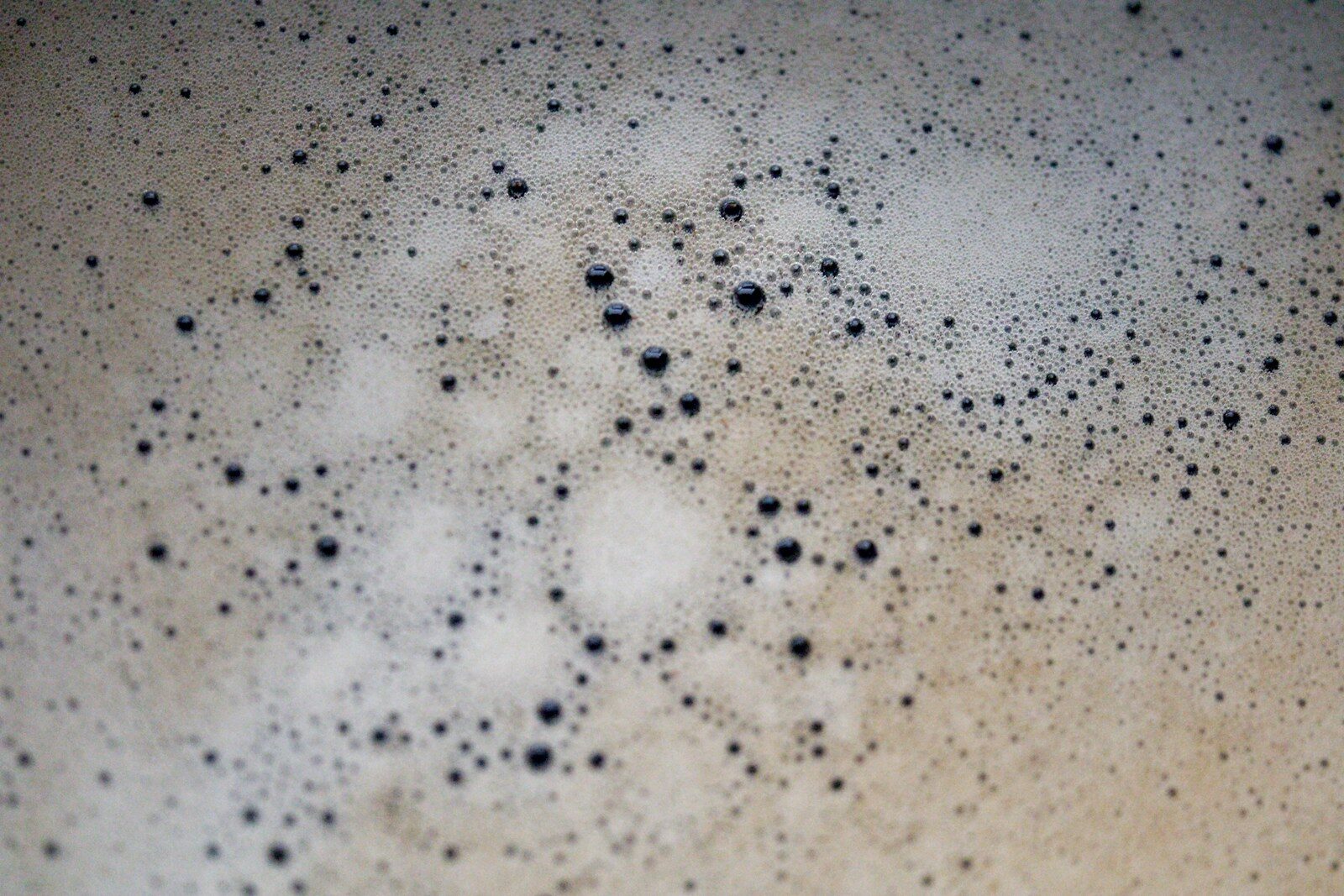
So when vinegar meets baking soda, they react at once and turn into three things: carbon dioxide gas, water, and a small amount of a weak salt called sodium acetate. The bubbles you see are just the carbon dioxide escaping. It looks powerful. It is mostly air.
Here is the part that counts for cleaning. The reaction uses up both of them. The acid in the vinegar and the base in the baking soda cancel each other, so what you are left with is mostly salty water. The two strong cleaners you started with have destroyed each other and made something much weaker.
So does the bubbling clean anything?
Not really, not the way the tip suggests. The foaming looks like cleaning in action, but it is the sign of two cleaners cancelling out, not a new and stronger cleaner being born.
Think about what is left once the bubbles die down. Sodium acetate, the salt the reaction makes, is an even weaker base than the baking soda you started with, so it does very little to a surface. And the water is just water. So if you mix the two in a bowl or a bottle and then wipe a surface with it, you are mostly wiping with weak salty water. You have thrown away the real cleaning power of both.
This is why mixing them ahead of time in a spray bottle is the worst version of all. The reaction finishes inside the bottle, long before it reaches the surface. By the time you spray, there is nothing active left. You have made a bottle of salt water.
Why each one works better on its own
Here is the useful flip side. Vinegar and baking soda are both very good cleaners. The mistake is putting them together. Kept apart, each does a job the other cannot.
Vinegar is an acid, so it dissolves things that are alkaline. That makes it good on hard-water marks, limescale, and the chalky buildup on taps, showerheads, kettles, and glass. Acid breaks down that kind of scale. This is real chemistry with something to work on, and it is where vinegar earns its place.
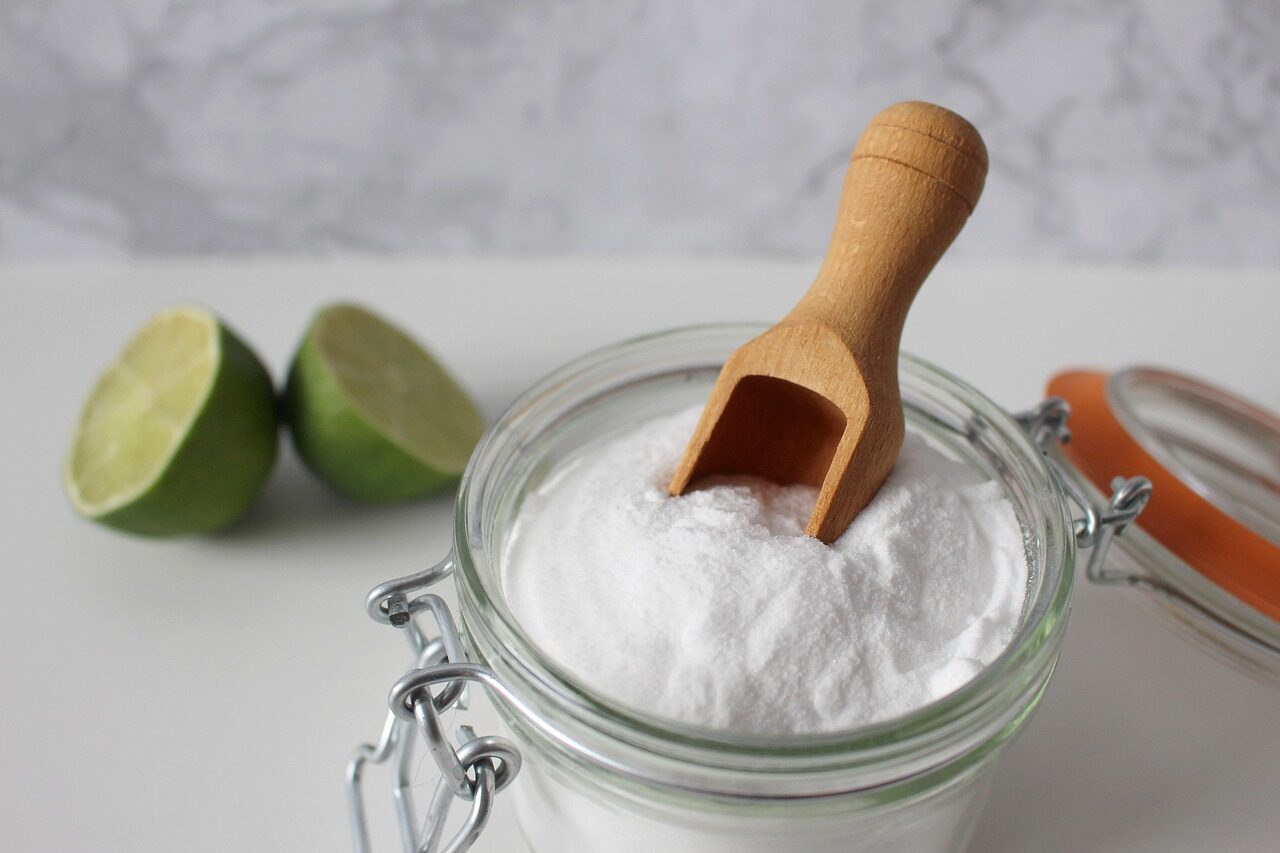
Baking soda is a mild base and a soft scrub. That makes it good for lifting baked-on grime, and for taking out smells, because it cancels the molecules behind many odours rather than just covering them. An open tub in the fridge, a sprinkle on a carpet before vacuuming, a paste on a stained mug, these all use baking soda doing its own thing.
So they are good at almost opposite jobs. Vinegar dissolves mineral scale with acid. Baking soda scrubs and soaks up smells with mild base and grit. Mix them, and each cancels the very thing that made it useful. The acid is no longer acidic. The base is no longer basic. That is why the mix is weaker than either one alone.
The one time the bubbling helps
There is a fair exception, and it is worth being clear about. The reaction does one thing the ingredients cannot do apart: it makes gas and physical foaming. That movement, the pushing and lifting of the bubbles, can help in a blocked or slow drain, where you want something to physically shift the gunk.
So pouring baking soda into a drain and then vinegar after it can help loosen a light blockage, not through any cleaning chemistry, but through the foaming physically disturbing the buildup. Even then, plumbers will tell you hot water and a drain snake usually do more. So the drain is the one place the bubbling earns its keep, and even there it is a mild help, not a miracle.
The order that does work
There is also a way to use both that really works, and it is the one most hack videos get wrong. Use them one after the other, not mixed together, so each still gets to do its own job.
On grout or a stained surface, the method is baking soda first as a scrub, then vinegar second as a rinse. You sprinkle the baking soda and scrub with it while it is still a gritty paste, letting its grit and mild base do the work. Then you rinse with vinegar, letting the acid lift any mineral marks. They will bubble a little as they meet, but the point is that each one already did its job before they cancelled out. That is completely different from mixing them into a dead solution first.
This is the truer version of the popular tip. It is not “mix them for power.” It is “use one, then the other, so neither is wasted.”
How I use them at home
Let me be straight about my own habits, because they fit the science.
Now and then I do reach for both on a stubborn stain. When I do, what is really shifting the mark is the soft scrubbing of the baking soda, not any special power from the bubbles. The foaming is fun to watch, but it is the scrubbing and the time that do the work. Knowing that, I do not bother mixing them into a paste and hoping it is strong. I let the baking soda scrub, and I treat the vinegar as a separate step.
The other thing I do is run my washing machine on a hot cycle with them when it starts to smell, because a warm machine can build up scum and a musty note over time. I will be clear about what is doing the work there too. The long hot cycle is the hero. The heat and the flushing clear the residue and the smell.
The vinegar helps cut through scummy buildup and the baking soda helps with odour, but if they meet and react in the drum they mostly cancel out. So I do not lean on the mix being strong. I lean on the hot cycle, with these two helping at the edges.
That is the theme with these two. They are useful, cheap, and worth keeping. Just do not expect the bubbling to be the thing that cleans.
Summary
Mixing vinegar and baking soda sets off an acid-and-base reaction that makes carbon dioxide, water, and a weak salt called sodium acetate. The bubbles are the gas escaping, and the reaction cancels both cleaners out.
So as a surface cleaner, the mix is weaker than either one alone, and mixing them in a bottle is the worst option, since the reaction finishes before it reaches the surface and leaves mostly salty water.
Each works far better on its own. Vinegar is an acid that dissolves limescale and hard-water marks. Baking soda is a soft scrub and odour remover that lifts grime and soaks up smells.
The bubbling has one fair use. The foaming can help loosen a slow drain, though hot water and a drain snake usually do more.
The way to use both is one after the other, not mixed: baking soda to scrub, then vinegar to rinse, so each does its job before they cancel out.
Common questions
Does mixing vinegar and baking soda work for cleaning?
Not as a mixed solution. The acid and base cancel each other into carbon dioxide, water, and a weak salt, so the result is mostly salty water with little cleaning power. Each works much better used on its own.
What happens when you mix vinegar and baking soda?
They react and cancel each other out, making carbon dioxide gas, which is the foaming, plus water and a little sodium acetate, a weak salt. The reaction uses up both, so the strong cleaners you started with become something much weaker.
Why should you not mix vinegar and baking soda in a bottle?
Because the reaction finishes inside the bottle, not on the surface you want to clean. By the time you use it, both have cancelled into mostly salty water, so you are spraying something with almost no cleaning power.
Is it worth pouring vinegar and baking soda down a drain?
The foaming can physically help loosen a light blockage, which is the one case where the bubbling does something. But hot water and a drain snake usually work better, so treat it as a mild help rather than a real drain cleaner.
Can you use vinegar and baking soda together at all?
Yes, but one after the other, not mixed. Scrub with baking soda first, then rinse with vinegar, so each does its own job before they react. That order works on grout and stained surfaces, unlike mixing them into one solution.
Is mixing vinegar and baking soda dangerous?
No, the reaction only makes carbon dioxide, water, and a harmless salt, so it is safe, just weak. The real safety rule is never to mix vinegar with bleach, which is a different and truly dangerous combination.