




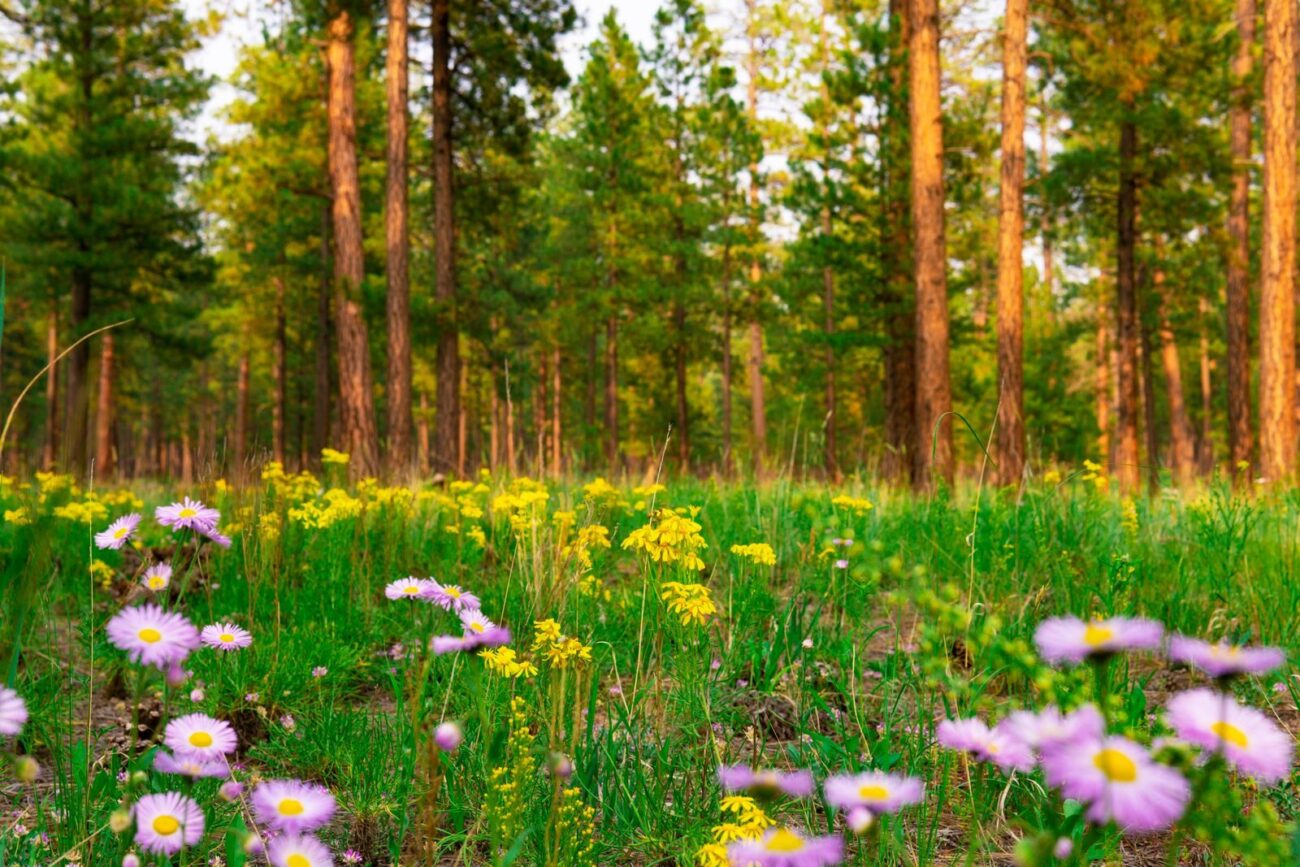
On a summer walk, you can see plants growing well in wild ground with no one looking after them. When a plant grows in the place it comes from, it grows with ease. No watering. No feeding. No work. So gardeners think any native plant will be that easy. They buy one, plant it at home, and then it struggles. They cannot work out why.
I want to explain why this happens.
Native plants and biodiversity are closely linked. But this only works when you know how a native plant lives and what it needs from you.
When you get this right, you pick better plants, you plant them so they survive, and your garden fills with insects, birds, and life in the soil. I will keep this simple and practical, because you are the one with ground to plant.
What a native plant really is
A native plant is one that grew in your area long before people moved plants around the world. It grew there over a long time, next to the local insects, birds, fungi, and soil life. This long shared history is the key point. The plant and the local wildlife developed together and came to need each other.
A non-native plant does not have this history in your area. It can still be nice to look at and cause no harm. But it can also be of little use to your local insects, because they never learned to feed on it.
One quick point first, because people often mix these up. “Native” and “wild” do not mean the same thing. Native is about where a plant comes from. It means the plant developed in your region. Wild just means the plant grows on its own, with no one looking after it. Many wild plants are native. But some are non-native plants that escaped from gardens and spread. So a plant growing wild does not prove it belongs there. Keep this in mind as you read.
Now for the part that is more interesting, and the part my own work changed for me.
A native plant is not all one thing, even within a single species. I learned this slowly, by measuring it.
In my research I grew two genetic types of the same native birch tree next to each other. Same soil. Same weather. Same season. Same species, and the same name on the label. I gave them both the same small amount of extra warmth and watched what they did.
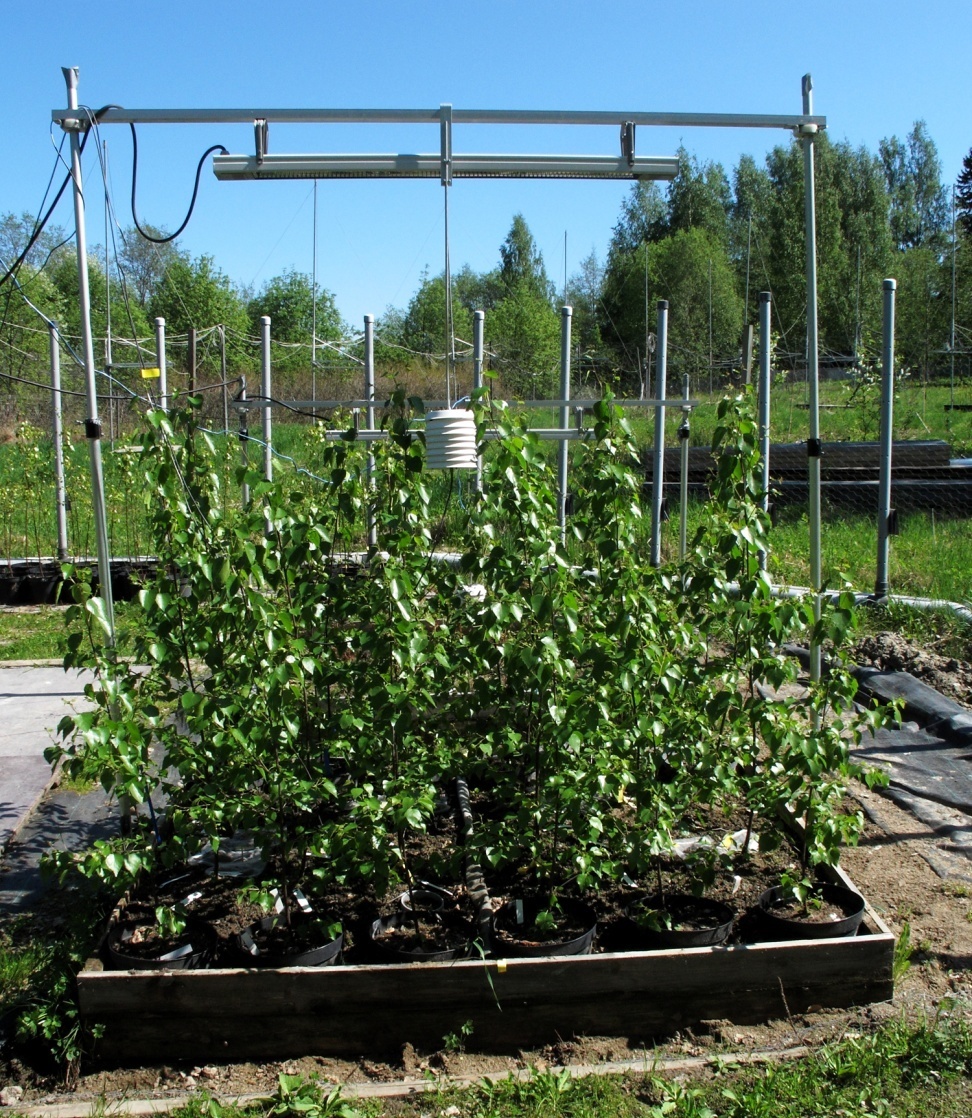
They did not act the same. With that extra warmth, one type grew bigger leaves and the other grew smaller leaves. Same heat, opposite result. One type had more leaves and thicker stems all season. And when I added some air pollution stress, one type lost stem growth late in the year, while the other was barely affected.
So here were two versions of the same native tree, acting like two different plants. This is important for you when you buy a native. The species name on the label does not tell you everything. A plant of that species grown from seed collected far away can grow, flower, and cope in a different way from one grown from local seed.
It may flower at the wrong time for your local bees. It may not be tough enough for your conditions. So ask the nursery where the plant or its seed came from. Choose local where you can. That one question tells you more than the species name.
If you want a cheap first step for pollinators while you learn your local natives, a perennial wildflower mix like the Eden Brothers All-Perennial Mix works, just know it’s pollinator-friendly, not native. As this post showed, the packet name doesn’t tell you where the seed came from, and a few of these (like foxglove) are ornamentals, not natives. Treat it as training wheels, then build toward properly local planting.
Check the Eden Brothers Wildflower Mix on Amazon →
How native plants feed the life you can see
Walk past a healthy native shrub in summer and look closely. The leaves have small holes in them. That is good. Those holes are insects eating, and insect eating is the start of almost every food web on land.
Here is how it works. Native plants feed native insects, mostly caterpillars. Caterpillars feed young birds. Most birds, even the ones that eat seeds as adults, feed their chicks on insects, because a growing chick needs protein. No caterpillars means no chicks.
My training in ecology kept coming back to one key point. These feeding links are exact, not swappable. A local insect often eats only one plant group and nothing else. Replace the native plant with a foreign one, and that insect has nothing to eat.
The clearest proof of this comes from a study of Carolina chickadees in suburban gardens. It found that gardens with a lot of non-native plants had far fewer caterpillars. The birds there found it hard to raise their young. The birds could only keep their numbers where native plants made up most of the greenery.
That study is also where the “70/30 rule” comes from. I will explain it soon.
The part the advice skips: under the soil
Now the part that seed packets never mention.
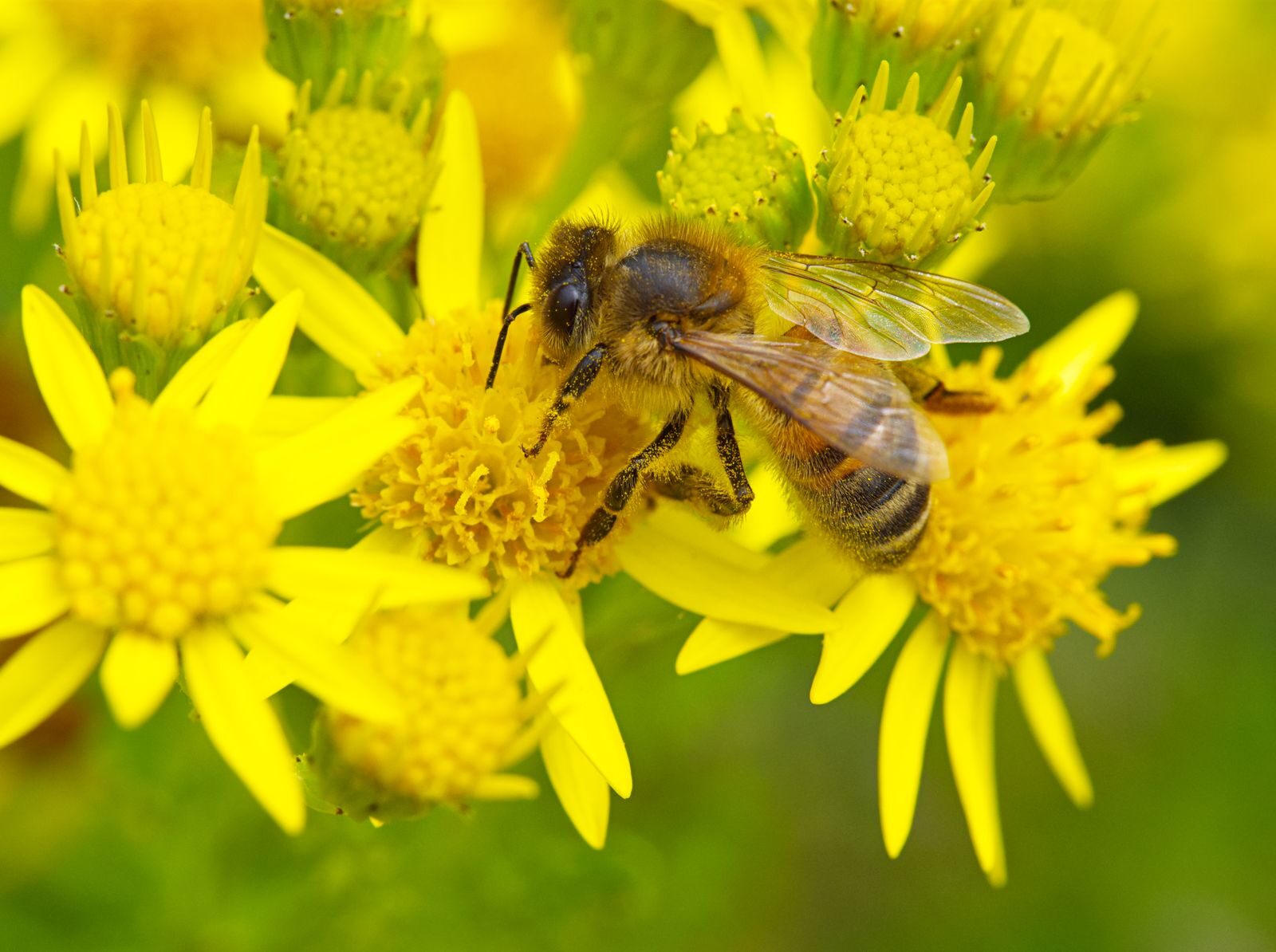
Biodiversity is not only bees and butterflies. A large share of the living things in healthy ground live below the surface. Roots, fungi, bacteria, and tiny soil animals share food and signals underground. Native plants feed this underground life through their roots. The roots release sugars that feed the fungi attached to them and the microbes around them.
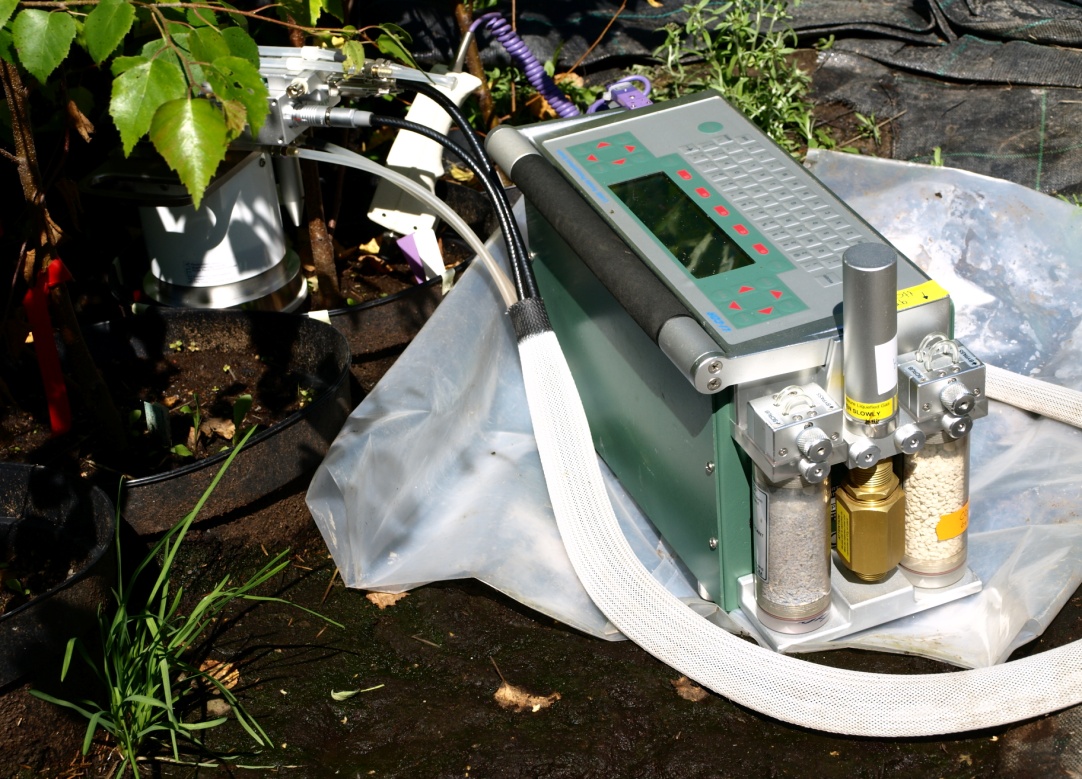
For a long time in my research I measured the gases the soil gives off, mainly the carbon dioxide that comes up from the roots and microbes under each tree. This is called soil respiration. It is a clear sign of how much life is active below the surface. You cannot see this life. But you can measure the gas it gives off, and the number goes up when there is more activity below.
Here is the part I still remember.
The same small amount of extra warmth that changed the leaves also changed the soil. Under one birch type, the soil gave off about a third more carbon dioxide. Under the other type, the same warmth raised it by about a quarter. Same species, same plot, but different genetics above ground, and the soil life below reacted in a different way. The plant and the life under it work as one system.
For your garden, the lesson is simple. What you plant on top changes the soil life underneath. Native plants and their local soil partners have a long shared history. So native roots usually feed this underground life better than a foreign plant with no local links. When you plant native, you are not only feeding the bees. You are feeding the living soil that keeps the whole garden healthy.
Why native does not mean no care
Now back to that healthy plant on the summer walk.
When a plant grows in the place it comes from, it looks like it needs nothing. No watering. No feeding. No mulch. This look tricks many gardeners. They see the word “native”, think “no care needed”, take the plant home, and watch it struggle.
Here is what they miss. In its home ground, the plant is not doing it alone. The whole system around it does the work. The local soil. The fungi already in the ground. The rain it is used to. The other plants growing around it. Take the plant out of this system and put it in a garden bed, and you change everything. Different soil. No fungi waiting in the ground. Different water. The plant is native to your region, but it is not native to your garden bed.
My own work taught me this same lesson.
A plant and the things around it work as one system, above the ground and below it. I saw two genetic types of one birch react differently to the same conditions. I measured the soil life under them react differently to the same warmth. Nothing about a plant works on its own.
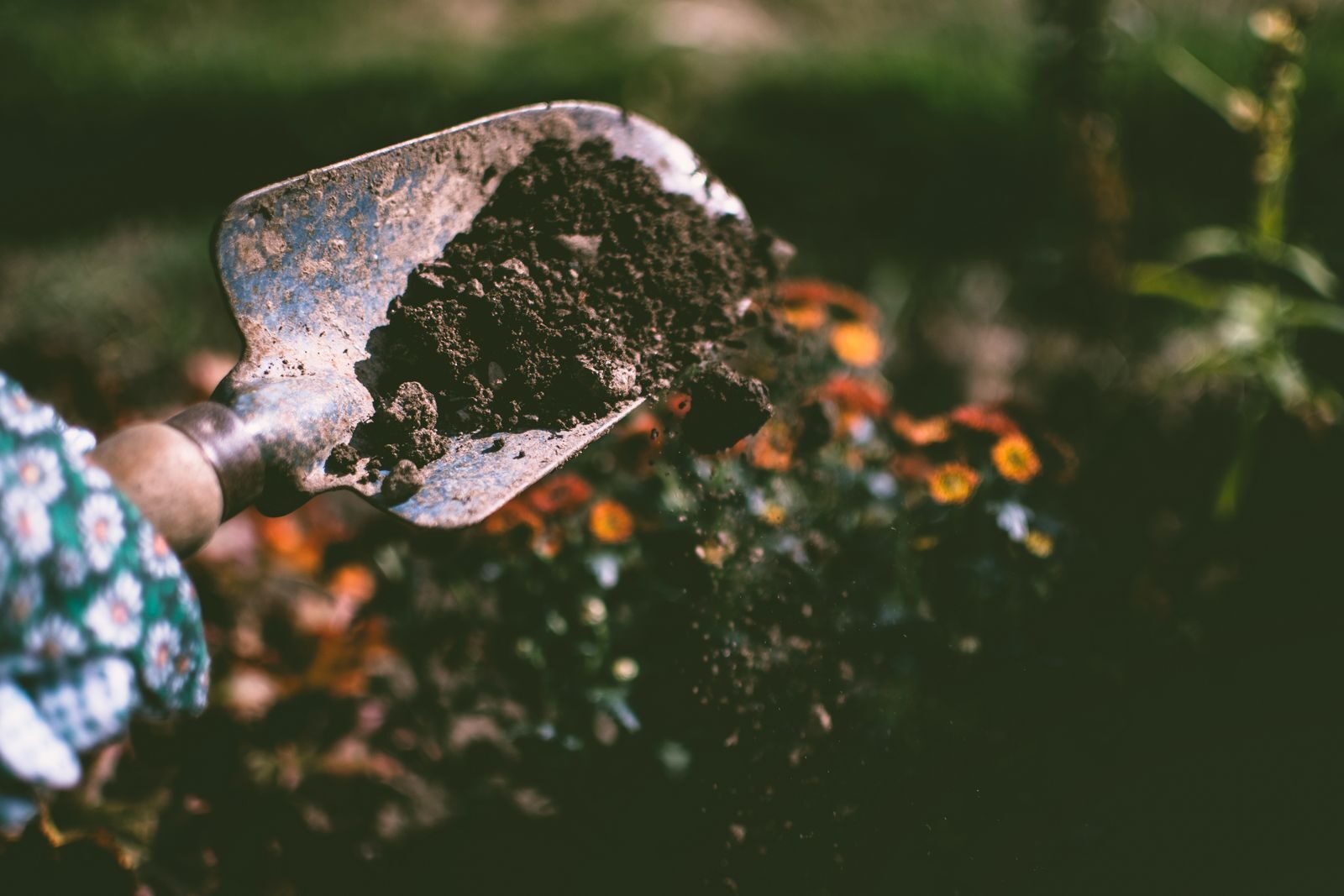
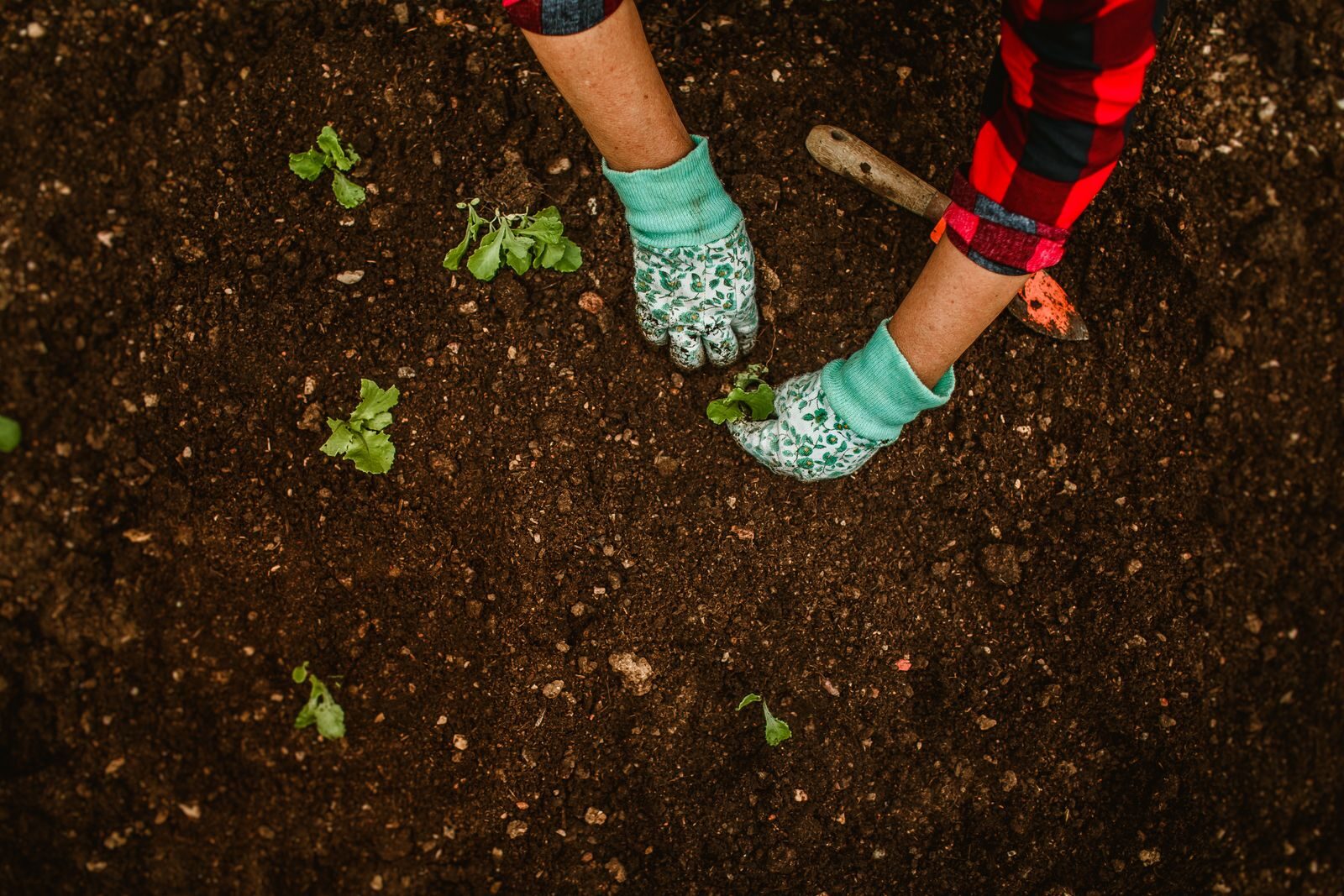
So treat a native like any other new plant while it settles in. Water it through the first year. Match it to the soil and light it would have in its home ground, not just to the name on the label. Where you can, plant it with other natives, so the soil life it needs has time to build up. Do this, and you give the plant the system it was missing. Skip it, and “low care” becomes a dead plant by late summer.
Common worries about native plants
Can native plants be invasive? In their home area, almost never in the way people fear. “Invasive” means a species that spreads fast where it does not belong. A local native plant sits within the natural controls of its own ecosystem. Some natives do spread fast and can crowd a small bed, so check how a plant grows before you plant it. Spreading fast is not the same as being invasive.
Are native plants low care? Often, once they settle in and once you give them the right conditions. The first year is the hard part, as I said above. After that, a plant that suits your local rain and soil needs less water, less feeding, and less work than a foreign plant fighting your conditions.
Are they drought tolerant? Many are, if they come from a dry area. A native from a wet area will not be. “Native” tells you where a plant belongs, not how tough it is. Match the plant to your real conditions, not just to the label.
Should I remove every non-native plant? No. This is where the 70/30 rule helps, so let me explain it.
The 70/30 rule, and what I would do with it
The chickadee study found a turning point. Bird numbers stayed steady only where native plants made up at least 70 percent of the greenery, with non-natives under 30 percent. That is the 70/30 rule. It is not a fixed law, but it is a useful goal.
I like it because it makes things easier. You do not need a garden of only native plants. You can keep the rose your grandmother gave you and the herbs you cook with. Aim for native plants to be most of the garden, especially the trees and shrubs, which do the most for insects. Let the rest be what you enjoy.
How I would start in your own garden
If you do one thing, plant a native tree or shrub. Woody natives feed far more insect life than flowers do, so they give you the most biodiversity for the space. After that, add native flowers that bloom at different times, so there is always something for pollinators. Then ask the nursery where the plant came from, and choose local where you can.
You do not need to do it perfectly. A garden that is mostly native, with plenty of trees and shrubs, grown from local plants, and given a fair start, will be full of life within a couple of seasons. You will see it in the holes in the leaves, the birds in the hedge, and the healthy smell of the soil when you turn it.
Summary
Native plants and biodiversity are linked more deeply than the usual “plant for the bees” advice suggests. A native plant has a long shared history with your local insects, birds, fungi, and soil life, and this history is what lets them feed each other.
Above the ground, native plants feed the insects, mostly caterpillars, that birds need to raise their young. This is why gardens full of non-native plants have fewer birds. Below the ground, native roots feed a living soil community that most gardeners never think about. Two things decide how much your planting helps.
First, where the plant comes from, because a native grown from far-away seed may not suit your local life. Second, the conditions, because a native taken from its home ground into a garden bed has lost the system that supported it and needs a fair start before it can do well.
Plant native trees and shrubs first, choose local plants where you can, give them their first year, and you will build real biodiversity that you can see and measure.
Common questions
Do native plants increase biodiversity?
Yes, and the effect is big. Native plants support more insect species than non-native plants, and those insects feed birds and other animals up the chain. Studies in home gardens link more native planting to more caterpillars and healthier bird numbers.
What is the 70/30 rule in gardening?
It comes from research on birds in suburban gardens. Insect-eating bird numbers stayed steady only where native plants made up about 70 percent or more of the greenery, with non-natives under 30 percent. Treat it as a goal rather than a strict rule, and focus on native trees and shrubs.
Do native plants really need no care?
No, and this is a common mistake. A native looks like it needs no care in its home ground because the whole system around it supports it. Move it into a garden bed and it needs your help to settle in, especially watering through the first year. After it settles in the right conditions, it usually needs little.
Are native plants low care?
Usually, once they settle in and once you match them to your soil and light. A well-placed native needs less water and feeding over time. Plan to look after it through the first year while its roots and soil life build up.
Should I only plant native plants?
There is no need. A garden where natives are most of the planting gives most of the benefit, and you can keep some favourites that are not native. Focus your native choices on trees and shrubs, which feed the most wildlife.
Are native plants better for pollinators?
Often yes, especially for specialist bees that developed with local flowers. Many native bees can only use certain native plants. A mix of natives that flower at different times of year supports the widest range of pollinators.