





What does it really mean for soil to be “alive,” and how would you know if yours is?
Gardeners hear that healthy soil is living soil, but it can sound like a slogan rather than something you can check. It is not a slogan. Living soil is a real, measurable thing, and you can read the signs of it with your own eyes, hands, and nose.
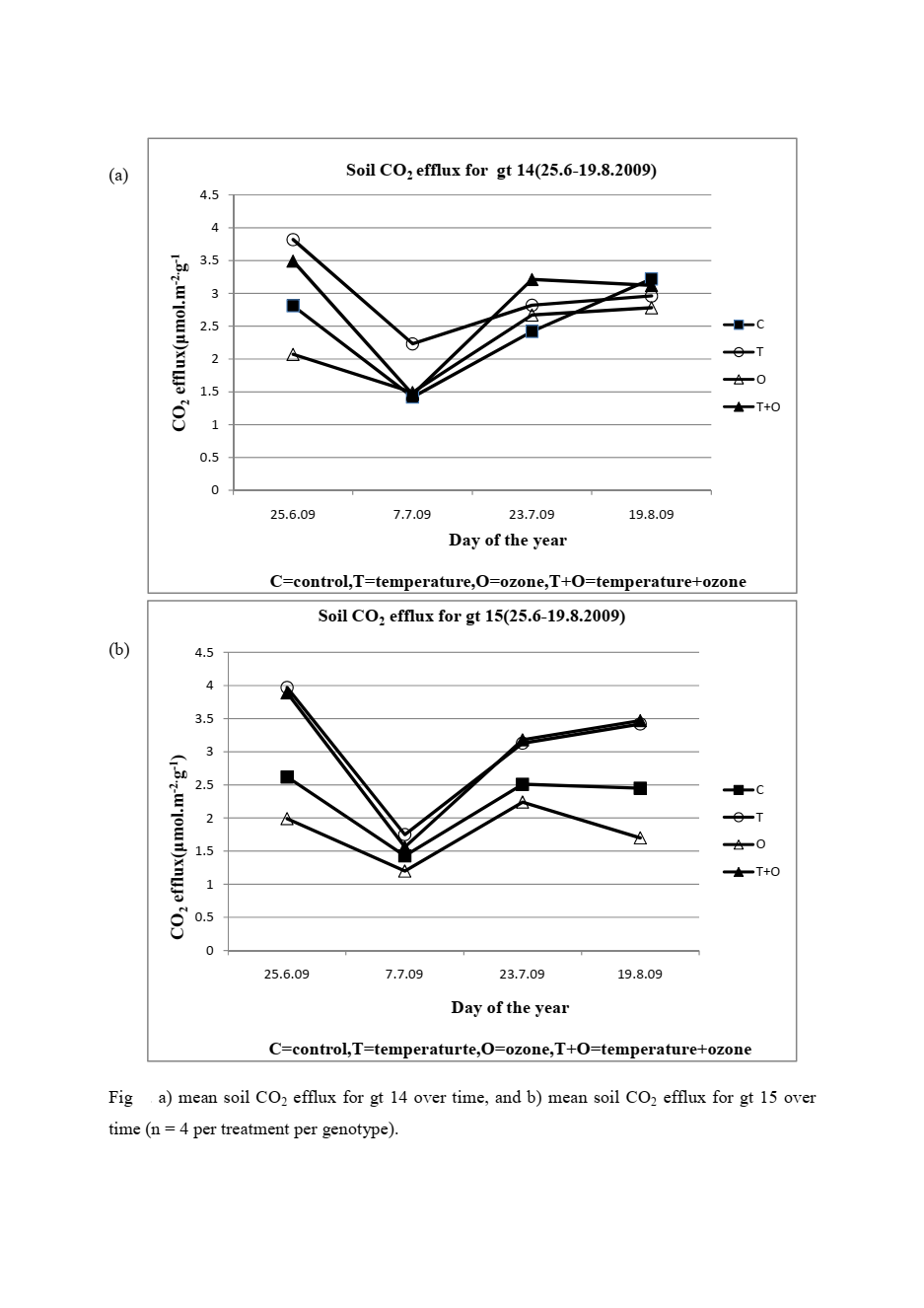
I can tell you this from a slightly unusual angle. During my research, I spent a field season measuring the breath of soil. Using a soil respiration chamber, I measured the carbon dioxide coming out of the ground in open-air plots, month after month.
That CO2 is the direct output of the living things in the soil, the microbes and roots, as they work. So when I talk about soil being alive, I do not mean it loosely. I mean I have literally measured it breathing. Let me show you how to read the same life in your own garden, without any equipment.
What “living soil” means
Healthy soil is not just crushed rock and dead bits of plant. It is a living system. A single handful of good garden soil holds billions of bacteria, metres of fungal threads, and a web of larger creatures, worms, mites, springtails, all feeding, breaking down organic matter, and cycling nutrients.
This is not a fringe idea. The United States Department of Agriculture’s Natural Resources Conservation Service defines soil health as the capacity of soil to function as a “vital living ecosystem” that supports plants, animals, and people. The official ways scientists check that life include soil organic matter, microbial activity, earthworms, and soil respiration, the very things a gardener can partly see for themselves.
So “living soil” is not poetry. It is a working ecosystem, and a dead or tired soil is one where that ecosystem has thinned out. The good news is that the signs of life are easy to read once you know what they are.
The breath of soil: the truest sign of life
If I had to pick one sign that soil is alive, it would be the one I spent a year measuring: soil respiration.
Living soil breathes. The microbes and roots in it take in oxygen and give off carbon dioxide as they break down organic matter, exactly like the breathing we do. Scientists measure that CO2 coming out of the ground, and it is one of the standard indicators of how biologically active a soil is. More breath out means more life at work.
In my own field measurements, I saw how alive that process is. When the plots warmed by under a degree, the soil’s CO2 output rose sharply, by roughly a quarter to a third, because the microbes and roots sped up with the warmth. The soil was, in a real sense, breathing harder.
I also saw that two plots could differ from each other even under the same conditions, because what was living in them was different. That stayed with me: soil is not a fixed material, it is a living community that responds.
You cannot put a chamber on your garden, but you can use the same idea. A warm, moist, organic-rich soil is breathing fast and full of life. A cold, bare, compacted soil is barely breathing. Everything below is really a way of reading that breath without the equipment.
Sign 1: It smells earthy and sweet
Pick up a handful and smell it. Healthy living soil has a fresh, earthy, almost sweet smell. That smell is real biology. It comes largely from a compound called geosmin, made by soil microbes, the same smell you notice when rain falls on dry ground. A strong, pleasant earthy smell means an active microbial community.
A bad sign is a sour, rotten, or stagnant smell. That usually means the soil is waterlogged and short of oxygen, so the wrong microbes have taken over. Sweet and earthy is alive and healthy. Sour and foul is a soil that needs air and drainage.
Sign 2: It is dark and crumbly
Look at the colour and feel the texture. Healthy soil is usually dark, and it crumbles into soft, rounded lumps rather than sitting as dust or hard clods. That dark colour comes from organic matter, the broken-down remains of plants and the substances soil life produces. Organic matter is food and habitat for the whole soil community.
The crumbly structure is itself a sign of life. Soil microbes and fungi produce sticky substances and threads that bind particles into crumbs, with air gaps between them. That structure is built by living things. Pale, dusty, or hard-set soil that will not crumble has little organic matter and little biological activity holding it together.
Sign 3: It holds water without staying soggy
Healthy soil has a sponge-like quality. Because of its crumb structure and organic matter, it soaks up rain and holds moisture, while still letting excess water drain away so it does not stay waterlogged. So it stays damp between waterings but is rarely a swamp or a dust bowl.
Soil that floods and stays wet for days, or that dries to concrete and sheds water off the top, has lost that structure. Both extremes point to low organic matter and weak biological activity.
Sign 4: It is full of life you can see
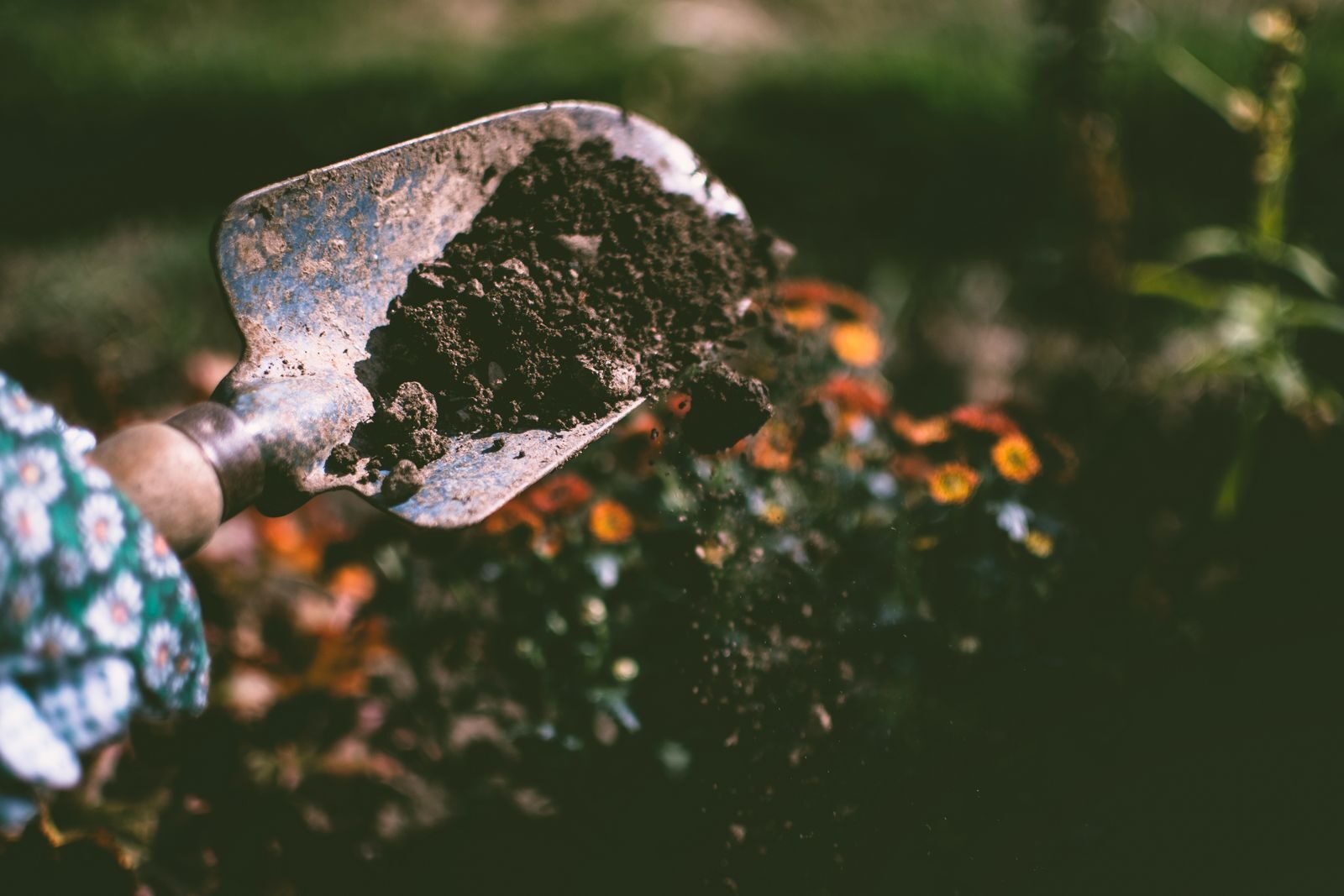
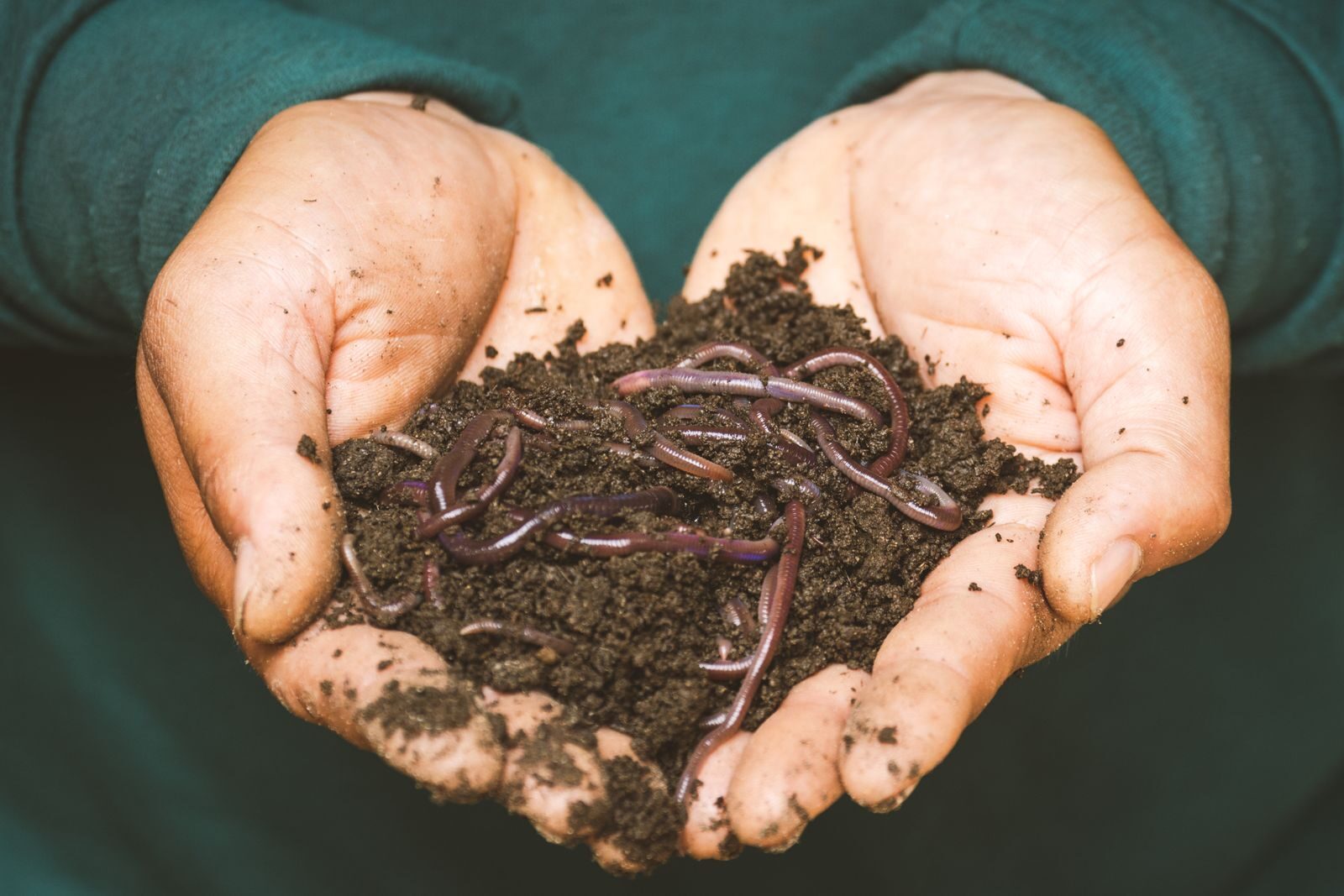
Dig a small hole and look. Healthy soil shows visible life. Earthworms are the classic sign, and a good one, because they need the same things the microbes need: organic matter, moisture, and air. Where worms are busy, the smaller life you cannot see is usually thriving too. You may also see pale fungal threads through the soil or leaf litter, beetles, centipedes, and other small creatures.
A spadeful of healthy soil should turn up several worms and other moving life. A spadeful that is silent, no worms, no creatures, nothing but packed earth, is telling you the ecosystem is thin.
Sign 5: Plants and weeds grow well in it
Finally, the soil shows its health through what grows. Living soil grows strong, steady plants, because the microbial community is cycling nutrients and supporting the roots. Even vigorous weeds are a sign of fertile, active soil.
Soil where plants struggle, stay stunted, or yellow despite watering often has a biological problem underneath, not just a nutrient one.
Why these signs all go together
Here is the thread that ties them, and it comes straight from how soil biology works. Every sign above is really a sign of the same thing: an active living community, breathing, feeding, and building.
Organic matter feeds the microbes. The microbes and fungi build the crumb structure and the earthy smell. That structure holds water and air. The water and air keep the microbes, worms, and roots alive and breathing. And that breathing, the soil respiration I measured, is the whole community at work. Pull on any one sign and you find the others, because they are all the same life seen from different sides.
That is also why you cannot fake healthy soil with a quick product. The signs come from a living system you build over time, not from a bottle.
How to bring tired soil back to life
If your soil fails these signs, it is not ruined. Soil life rebuilds, often quite fast, once you give it what it needs. From the biology, the moves that count most are simple.
Feed it organic matter. This is the single biggest one. Add compost, well-rotted manure, leaf mould, or other organic material. Organic matter is the food and habitat the whole soil community runs on, and adding it is the most direct way to wake the soil up.
Keep it covered. Bare soil bakes, dries, and erodes, and the life near the surface dies back. A mulch of compost, leaves, straw, or living plants protects the surface and feeds the soil as it breaks down.
Disturb it less. Heavy digging breaks up fungal networks and the crumb structure that soil life builds. Lighter handling lets that structure develop. Many gardeners find a no-dig or low-dig approach builds life faster.
Keep something growing. Living roots feed soil microbes directly through the sugars they release. Cover crops or simply not leaving beds bare keeps that food flowing to the soil community.
Mind the water and air. Relieve compaction and improve drainage so the soil can breathe. Remember the foul smell of waterlogged soil is the sound of the wrong microbes taking over. Air is part of life here.
Do these, and the signs return in order: the smell sweetens, the worms come back, the structure crumbles, the soil starts breathing again.
Recommended: Check how alive your soil is with my free Soil Life Scorecard, two simple checks with a printable log.
Summary
Living soil is a real, working ecosystem of microbes, fungi, worms, and roots, not just crushed rock and dead matter. Soil health bodies define healthy soil as soil that functions as a living ecosystem.
The truest scientific sign of that life is soil respiration, the carbon dioxide the soil breathes out as its community works. I measured exactly this in my own field research, and watched it rise sharply as conditions warmed and the soil life sped up.
You can read the same life at home through five signs: a fresh earthy smell, a dark crumbly texture, a sponge-like hold on water, visible life like earthworms, and plants that grow well.
These signs all go together because they are the same living system seen from different angles: organic matter feeds the microbes, the microbes build structure, the structure holds air and water, and the whole community breathes.
If your soil fails the signs, you rebuild it by feeding it organic matter, keeping it covered, disturbing it less, keeping roots growing, and improving air and drainage. Soil life comes back when you give it what it needs.
Common questions
What are the signs of healthy soil?
A fresh earthy smell, a dark crumbly texture, the ability to hold water without staying soggy, visible life such as earthworms, and plants that grow well. These all point to an active community of microbes, fungi, and other soil life.
How can I tell if my soil is alive?
Smell it, feel it, and dig a hole. Living soil smells earthy and sweet, crumbles into soft lumps, and turns up worms and other small creatures. Silent, packed, sour-smelling soil with no visible life is biologically thin.
What does healthy soil smell like?
Fresh, earthy, and slightly sweet, the smell you notice when rain hits dry ground. That smell comes from compounds made by soil microbes, so a strong earthy smell is a sign of an active microbial community. A sour or rotten smell instead points to waterlogged, low-oxygen soil.
Does healthy soil have worms?
Usually yes. Earthworms need the same organic matter, moisture, and air that soil microbes need, so plenty of worms is a good sign the wider soil community is healthy. Few or no worms suggests low organic matter or poor conditions.
What is soil respiration?
It is the carbon dioxide that soil gives off as its microbes and roots break down organic matter and grow, much like breathing. Scientists use it as a standard measure of how biologically active a soil is, and a higher rate generally means more living activity in the soil.
How do I make my soil healthy again?
Feed it organic matter like compost, keep it covered with mulch or plants, disturb it as little as possible, keep living roots growing, and improve drainage and air. These restore the food, habitat, and conditions the soil community needs, and the signs of life return over time.