






Indoor air quality monitor displaying CO2 VOC and particulate readings next to a houseplant
vocs-in-home-air-quality-monitor-display
Reduce the Hidden Pollutants in Your Home
previous arrow
next arrow

Plant-Based Skincare

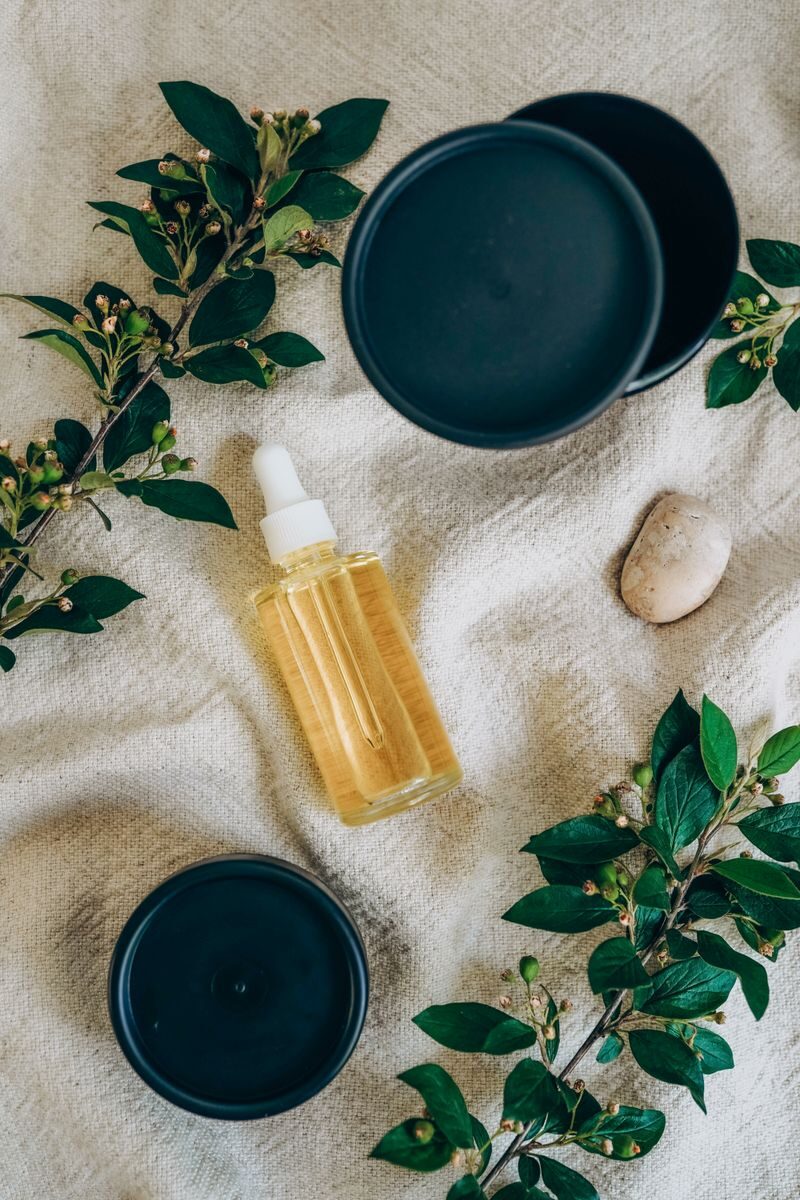
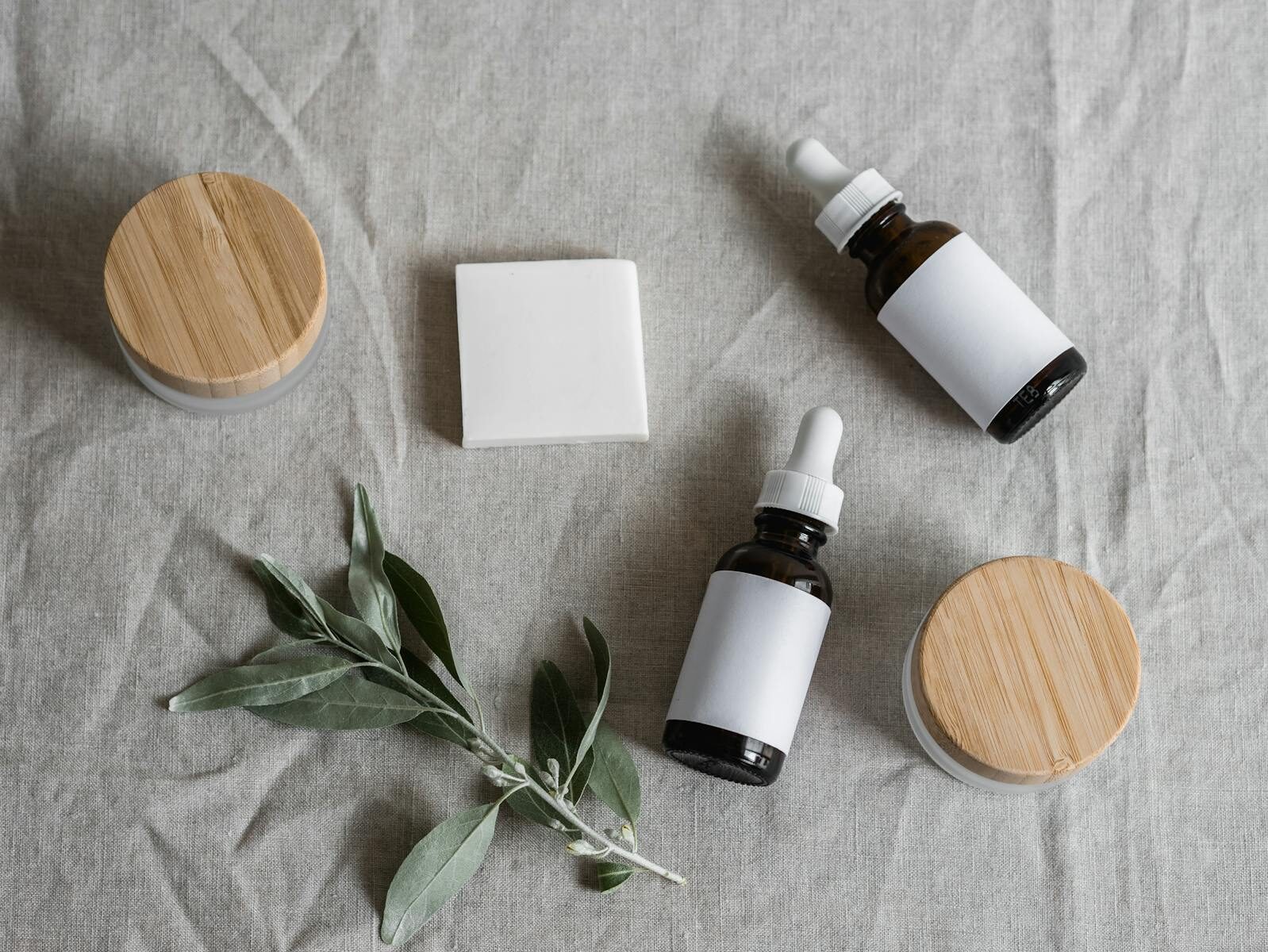
 Natural skincare serums and cream jars with plant sprig on linen background


Plant-Based Skincare

Natural skincare is full of beautiful ingredient names. Rosehip. Calendula. Green tea extract. Vitamin C. The question is whether those ingredients are present in meaningful concentrations, and whether the evidence supports what the product claims they do.

This section evaluates plant-based skincare ingredients through biochemistry. I look at whether the chemistry behind an ingredient is sound, whether the concentration in a product is meaningful, and where the evidence supports or contradicts the marketing.

Plant biochemistry produces genuinely remarkable compounds. Polyphenols, terpenoids, fatty acids, polysaccharides. Many of these have real, documented activity in skin tissue at the right concentrations. The problem is that natural skincare formulations often include these ingredients at concentrations too low to do anything meaningful, or in forms that can’t penetrate skin effectively.

A product can list rosehip oil, green tea extract, and calendula on the label and still deliver none of their documented benefits if the formulation chemistry is wrong. This section looks at what the evidence actually shows, ingredient by ingredient.


Explore by topic
Natural Skincare Ingredient Science

Individual ingredient deep dives, from centella and rosemary to willow bark and turmeric. I check what a compound’s real chemical structure means for how it behaves on skin, which specific form of an ingredient actually holds up in the research, and where the plant name on a label hides more than it reveals.

Read the posts →


Plant Extract Concentration and Efficacy

An ingredient being present on a label and an ingredient doing something are two different questions. I look at concentration thresholds, molecular size and skin absorption, extraction methods, and shelf life, the practical chemistry that decides whether an active ever actually reaches your skin in a form that works.

Read the posts →


Greenwashing in Natural Skincare

Words like “clean,” “non-toxic,” and “hypoallergenic” carry no consistent legal meaning on a skincare label. I check which certifications are genuinely audited and which just sound official, and trace popular marketing claims back to what, if anything, actually backs them up.

Read the posts →


ecohomescience logo serge Msc