








You bought new furniture last month. Or maybe you just repainted the living room. And now there is a smell you cannot quite place and a label on the tin that says something about VOCs and you are wondering whether you should be worried.
I get that. Let me walk you through what is going on in your home air and what it means for you and your family.
What VOCs Are and Why They End Up in Your Home
VOC stands for volatile organic compound. Volatile means the compound evaporates easily at room temperature and releases molecules into the air you breathe. Organic means it contains carbon atoms which describes thousands of different chemical structures.
That range is important. VOCs are not one scary thing. They are a category. A very large one. And most of what ends up in that category is not going to harm you.
Plants produce VOCs as part of their normal biochemistry. The smell of a pine forest is largely terpene VOCs from the trees. Cut grass releases aldehyde VOCs. Natural VOC chemistry is something I find fascinating from my plant biochemistry background and it is part of why I read indoor VOC claims carefully rather than taking them at face value.
The VOCs worth paying attention to in your home come from synthetic sources. Research by the EPA found that indoor VOC concentrations are consistently up to ten times higher than outdoor levels regardless of whether a home is in a rural or urban area (EPA Indoor Air Quality). That gap exists because indoor environments concentrate VOC releases from building materials, furnishings, and products in a way outdoor air simply does not.
Where the VOCs in Your Home Are Coming From
If you have recently painted, bought new furniture, laid new flooring, or moved into a new build you are living with elevated VOC levels right now. That is not a reason to panic. It is a reason to understand what is happening and what to do about it.
Paints and varnishes are among the highest VOC sources during and after application. Solvent based paints release VOCs as they dry and keep releasing for days to weeks. Water based paints are lower but not zero. The low VOC label on paint tins refers to VOC content measured at a specific point in the formulation. It does not always tell you the full story of what gets released into your air during drying.
New furniture is something a lot of people do not connect to air quality. Composite wood products including MDF, particleboard, and plywood use adhesives that contain formaldehyde. That formaldehyde releases slowly into your indoor air. A room full of new flat pack furniture has a meaningful formaldehyde source in it. The same applies to new carpets, vinyl flooring, and laminate products.
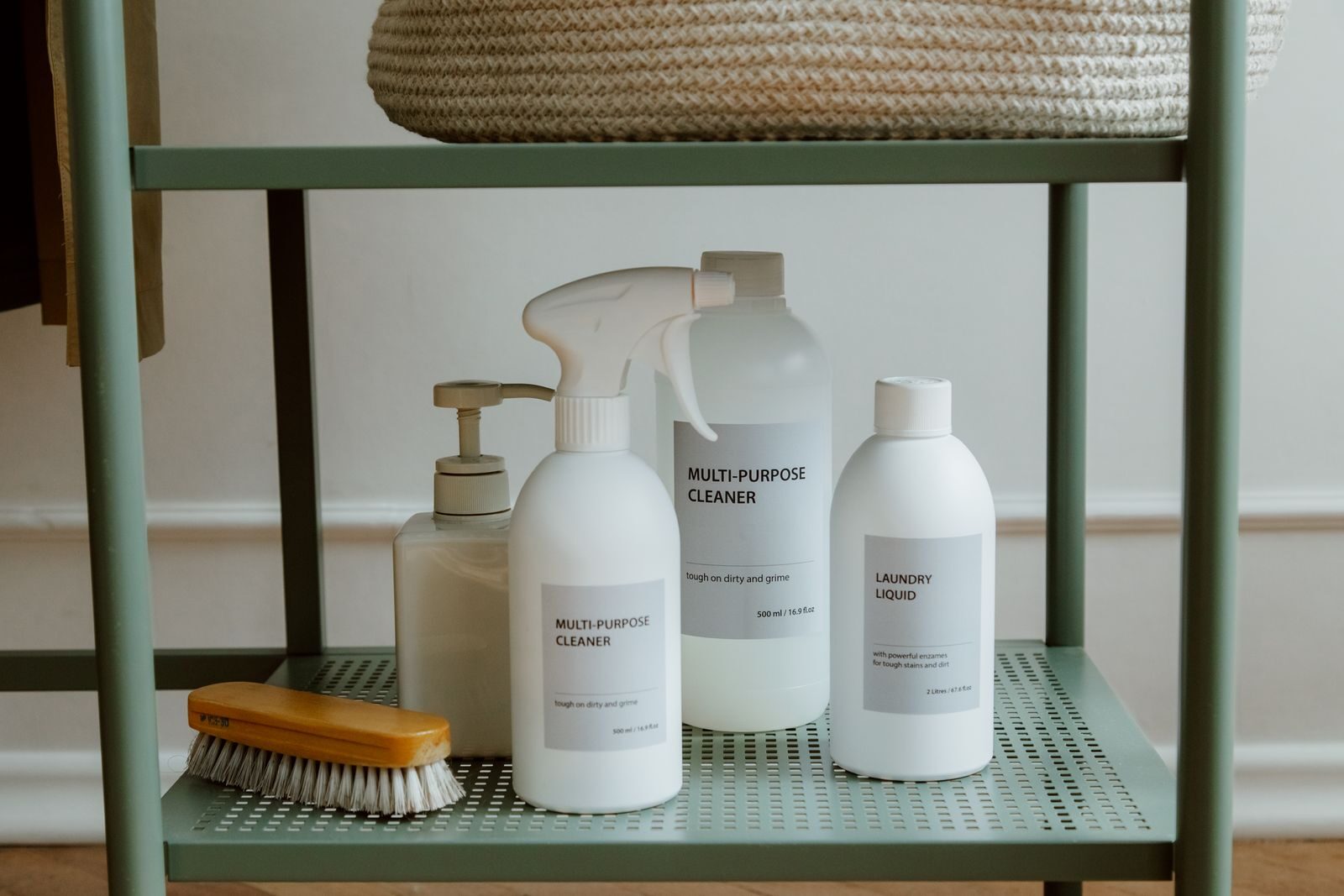
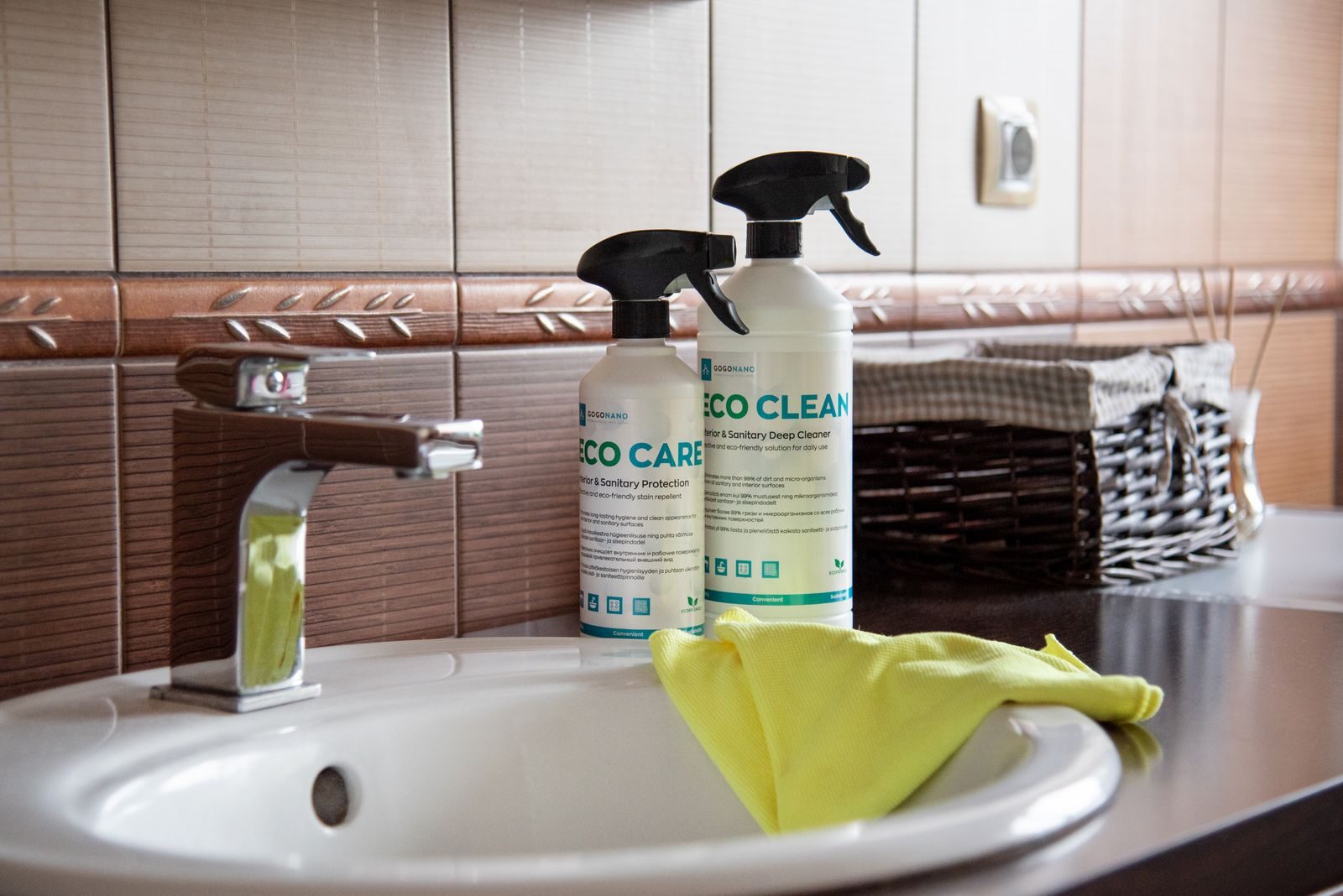
Cleaning products and personal care products contribute more than most people realise. Fragrances are VOCs by definition. An air freshener does not improve your air quality. It adds volatile compounds to it. Some natural cleaning products with essential oil components do the same thing.
Building materials including insulation, sealants, and adhesives release VOCs particularly when new. And if you have an attached garage vehicle exhaust infiltration is a significant benzene source that many homeowners never consider.
Are All VOCs Dangerous
No. And this is where I want to slow down because the way VOCs get talked about in consumer content creates unnecessary anxiety.
The category includes thousands of compounds with very different properties. Some are harmless at any realistic indoor concentration. Some have documented health effects at elevated exposures. Treating them all the same is not useful to you.
The compounds with the strongest evidence for health effects at indoor concentrations are formaldehyde, benzene, trichloroethylene, and acetaldehyde. Formaldehyde from composite wood products is the most common concern in residential settings. Benzene is most relevant if you have an attached garage, use tobacco products indoors, or have combustion appliances.
My postgraduate training in quality control of chemical and environmental measurements taught me something important about how to read VOC data. Detecting a compound is not the same as detecting a harmful level of that compound. A consumer VOC monitor that shows a reading is not telling you that you are being harmed. It is telling you that volatile compounds are present. The concentration and the specific compound determine whether there is a real concern.
Can VOCs Make You Feel Ill
At elevated concentrations and with sustained exposure yes. The symptoms most associated with high indoor VOC levels are headaches, eye and throat irritation, nausea, and dizziness. These are non-specific symptoms that overlap with many other causes so attributing them definitively to VOC exposure without measurements is difficult.
Formaldehyde at elevated concentrations causes eye, nose, and throat irritation and is classified as a human carcinogen based on occupational exposure evidence. Residential concentrations are typically far lower than occupational levels but can be meaningfully elevated in poorly ventilated new homes with significant composite wood content.
If you moved into a new home or did a major renovation and have been experiencing persistent headaches or irritation you cannot explain it is worth thinking about ventilation and VOC sources seriously.
Do VOCs Go Away on Their Own
Yes. Off-gassing decreases over time for all sources.
Paint off-gassing is most intense in the first 24 to 72 hours and drops significantly over the following weeks. Most of the VOC release from a freshly painted room happens within the first month.
New furniture and composite wood products take longer. Formaldehyde from particleboard can continue releasing at measurable levels for months to years depending on the product and conditions. Warmer and more humid conditions accelerate off-gassing. A new bedroom with MDF furniture in a warm room is releasing more formaldehyde than the same room in winter with the window open.
The practical message is that your air quality will improve over time as materials age. You are not stuck with elevated VOC levels permanently. But actively managing ventilation accelerates that process significantly.
How to Test Whether VOCs Are a Problem in Your Home
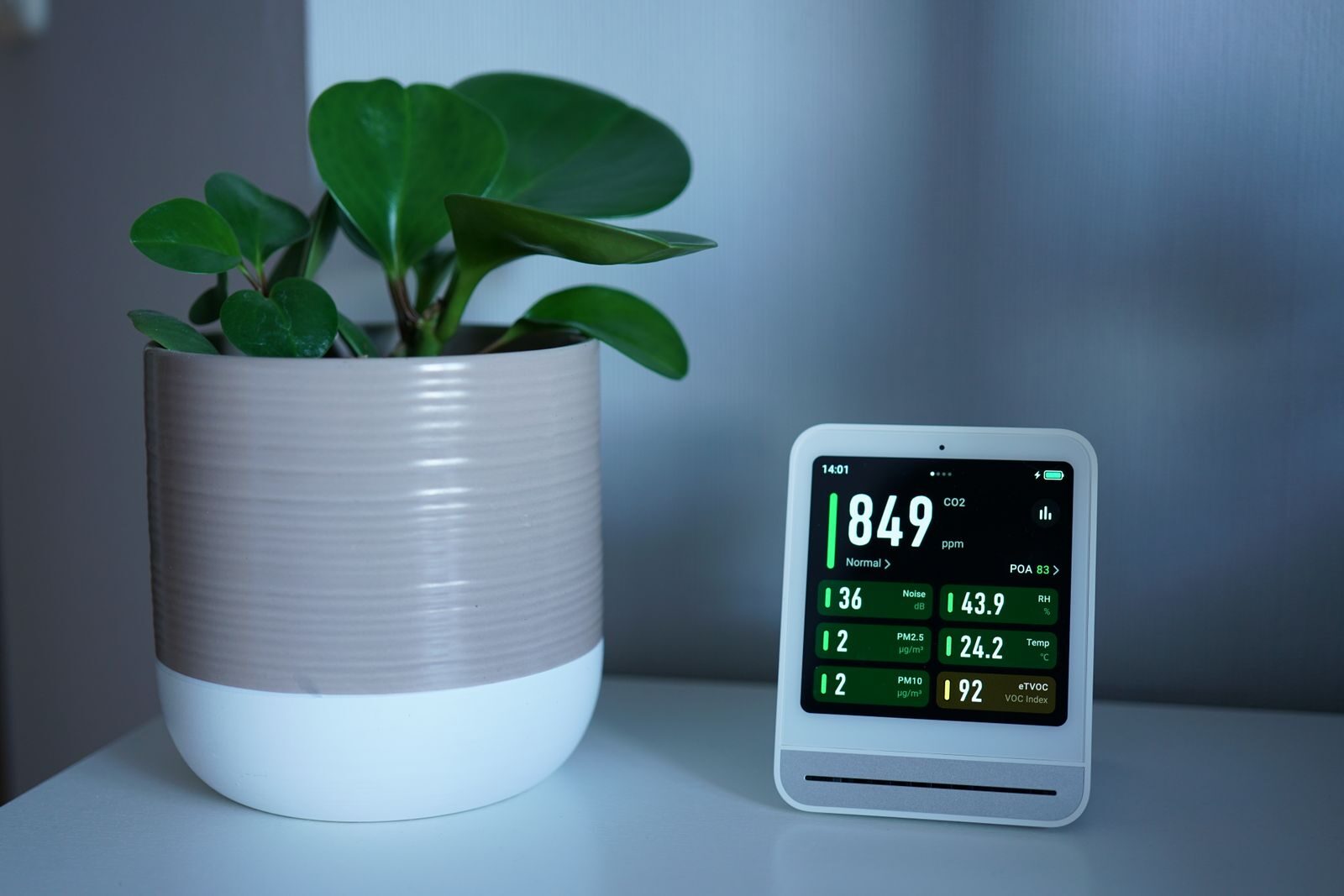
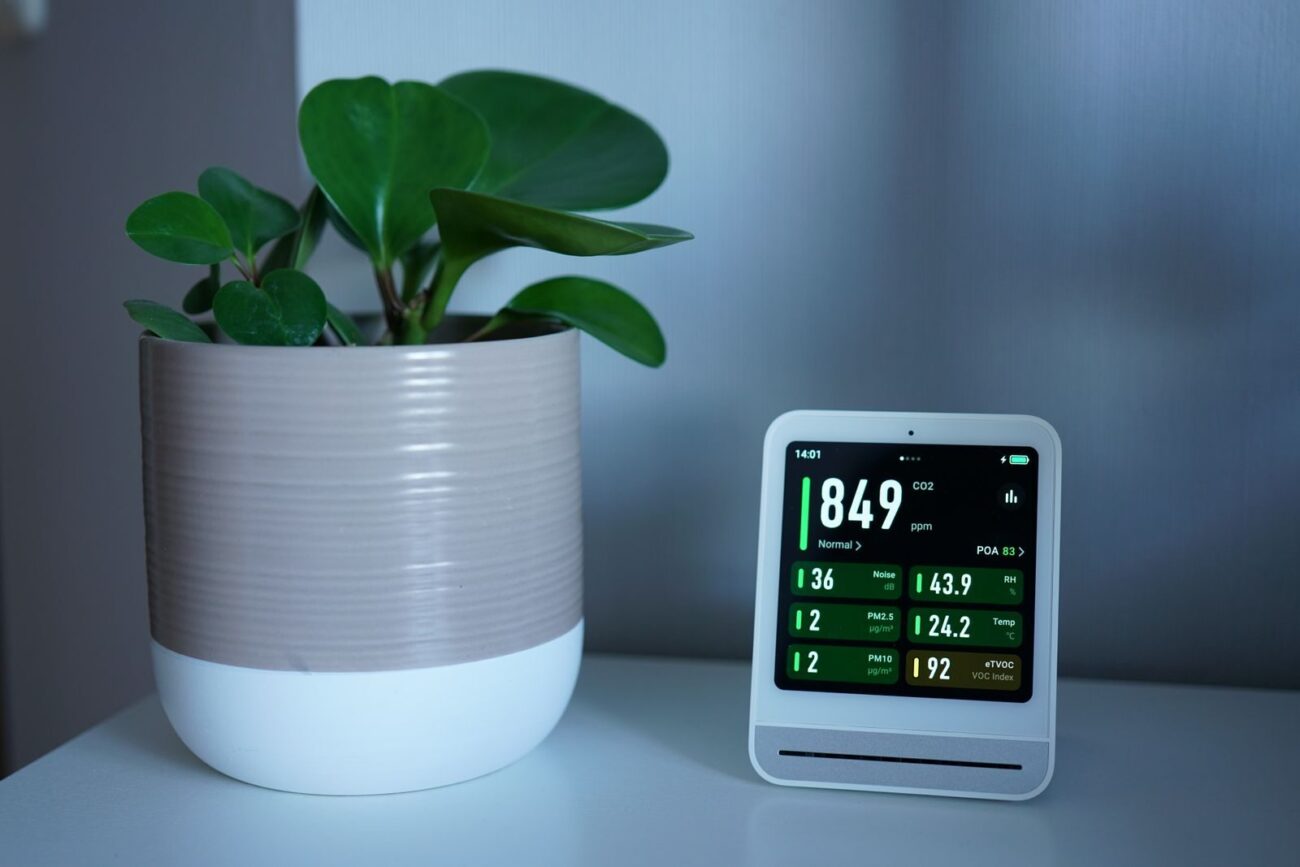
Consumer VOC monitors give you a real time total VOC reading. They are useful for understanding when levels spike and for comparing before and after ventilation. Their limitation is that they measure total VOC as a single combined figure and cannot tell you which specific compounds are present or at what individual concentrations.
If you have a genuine concern about a specific compound like formaldehyde in a new home laboratory air quality testing using passive samplers gives you compound specific data. This is more expensive but gives you meaningful information rather than a general figure.
The key thing I want you to take from my quality control training is this. A high total VOC reading on a consumer monitor is a signal to ventilate and investigate sources. It is not a diagnosis of a health problem.
What to Do About VOCs in Your Home
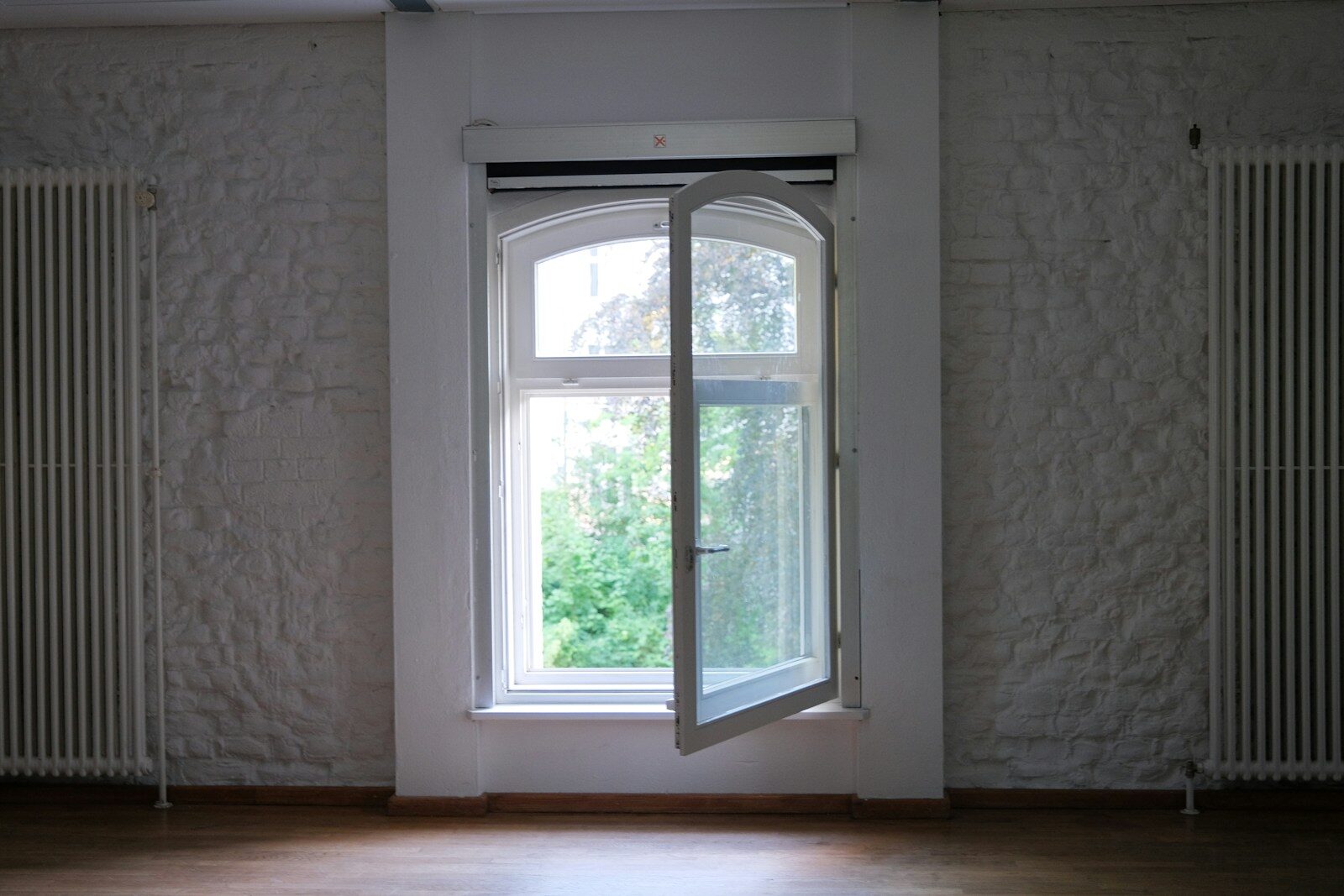
Open windows. I know that sounds too simple but ventilation is the most effective and evidence supported approach to reducing indoor VOC concentrations. Diluting indoor air with outdoor air works. It works during painting. It works with new furniture. It works with cleaning products. Make it a habit especially in the first weeks after any new materials enter your home.
Choose lower VOC products where you can. Low VOC paints, water based finishes, and formaldehyde free composite wood products are widely available. They represent a meaningful reduction in what you are adding to your indoor air.
Avoid unnecessary fragrance products. Air fresheners, heavily scented candles, and fragrance heavy cleaning products add to your VOC load without offering any air quality benefit. This is an easy reduction to make.
Allow new furniture and materials to off-gas before sealing them in a poorly ventilated space. If you can, open windows in a room with new furniture for the first few weeks. If you are buying a new mattress or sofa let it air out before putting it in a closed bedroom.
Do Air Purifiers Remove VOCs
This is worth being precise about because there is a lot of confusion here.
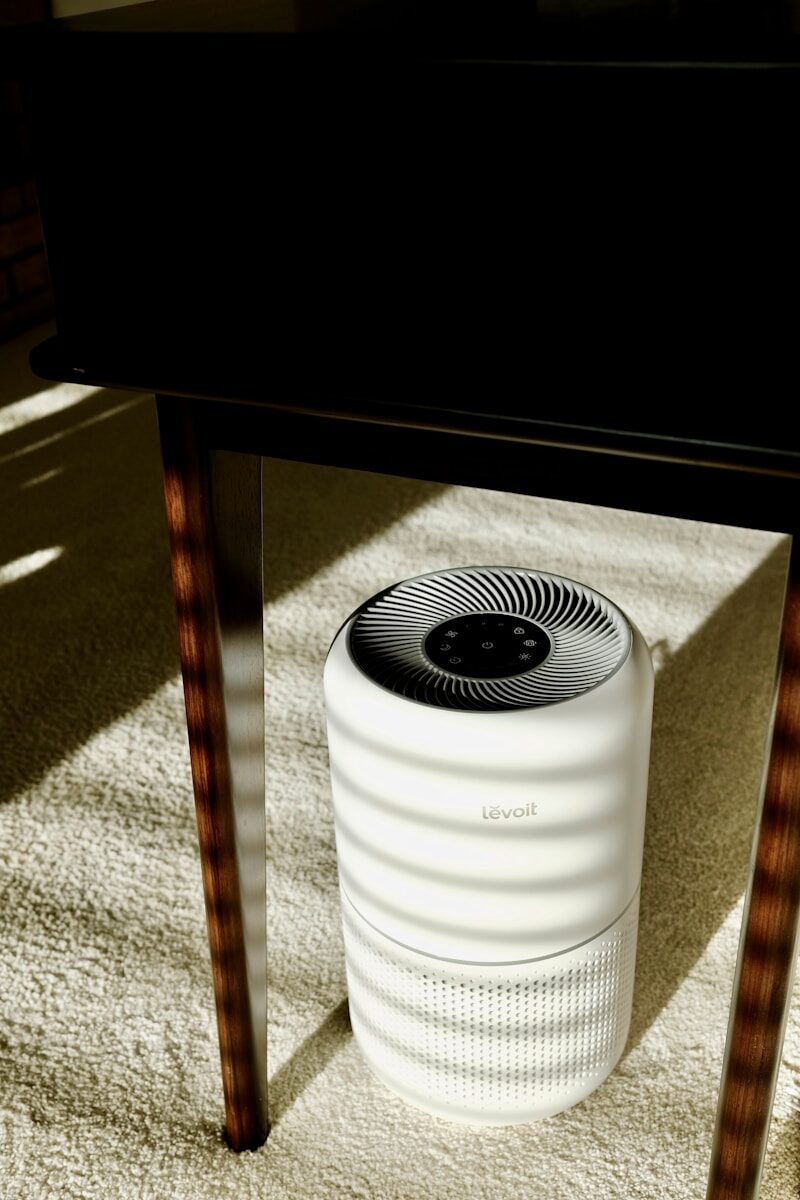
HEPA filters do not remove VOCs. HEPA filtration removes particles from air. VOCs are gases not particles. A HEPA air purifier running in your newly painted room is not protecting you from VOC exposure.
Activated carbon filters do remove some VOCs through a process called adsorption. Carbon has a porous structure that traps VOC molecules as air passes through. The effectiveness depends on the volume of activated carbon, the specific VOCs present, and how saturated the carbon has become. Carbon filters need regular replacement to keep working.
If you are buying an air purifier for VOC reduction look for one with a substantial activated carbon component not just a token layer of carbon alongside a HEPA filter.
What This Means for You
VOCs in your home are normal. Every home has them. The goal is not to eliminate them entirely but to understand where the significant sources are, manage them where you can, and keep air moving through your home as the primary control measure.
If you have recently moved, renovated, or bought significant new furniture and you are noticing symptoms you cannot explain take ventilation seriously and give it a few weeks. In most cases the off-gassing from new materials is the explanation and it will improve.
The compounds worth your attention are formaldehyde from composite wood products and benzene from combustion sources. Everything else is worth knowing about but less likely to be driving a meaningful health concern in a typical home.
Summary
VOCs are volatile organic compounds that enter your indoor air from paints, furniture, flooring, cleaning products, and fragrance products. Indoor VOC concentrations can be up to ten times higher than outdoor levels according to EPA research. Not all VOCs are harmful and concentration and compound identity determine whether there is a real concern.
Formaldehyde and benzene have the strongest evidence for health effects at elevated residential concentrations. VOC levels decrease over time as materials age and off-gassing slows. Ventilation is the primary evidence supported approach. Activated carbon air purifiers remove some VOCs. HEPA filters do not.
FAQ
What do VOCs smell like?
Many VOCs have distinctive smells. The sharp chemical smell of fresh paint, the sweet solvent smell of new carpets, and the chemical odour of new furniture are all VOC signatures. Some VOCs are odourless at typical indoor concentrations so the absence of smell does not mean VOCs are absent.
Can VOCs travel through walls?
Some VOCs can permeate through certain materials over time particularly lightweight plastics and some insulation. In practical terms air movement through gaps and ventilation systems is the more significant pathway in most homes.
How long does paint give off VOCs?
Most intense off-gassing occurs in the first 24 to 72 hours. The majority of VOC release drops within the first two to four weeks. Good ventilation during and after painting accelerates the process significantly.
What level of VOC is dangerous?
There is no single threshold that applies to all VOCs because different compounds have very different toxicity profiles. Regulatory bodies set reference values for specific compounds like formaldehyde and benzene. Consumer monitors measure total VOC which cannot be directly compared to health thresholds for individual compounds.
Do air fresheners have VOCs?
Yes. Fragrance compounds are volatile organic compounds by definition. Air fresheners add to your indoor VOC load rather than improving your air quality.
Is it normal to have VOCs in your house?
Yes. All homes contain detectable VOCs. The question is not whether they are present but whether specific compounds of concern are at concentrations worth addressing. Good ventilation keeps most homes at background levels that are not a meaningful health concern.
What are the most common VOC sources in a home?
Paints and varnishes during and after application, composite wood furniture and flooring releasing formaldehyde, cleaning and fragrance products, and attached garages where vehicle exhaust can infiltrate living spaces.